The Evolution and Practical Use of Russia Polygon Camouflage Patterns
The world of camouflage patterns is a fascinating intersection of military necessity, artistic design, and technological innovation. Among the diverse range of patterns developed globally, Russia Polygon camouflage patterns stand out as a significant chapter in modern tactical concealment. These digital patterns, characterized by their geometric, pixelated appearance, are not merely aesthetic choices but are the result of a deliberate process aimed at solving a specific problem: improving soldier survivability in varied and complex environments.
Understanding the Polygon Design Philosophy
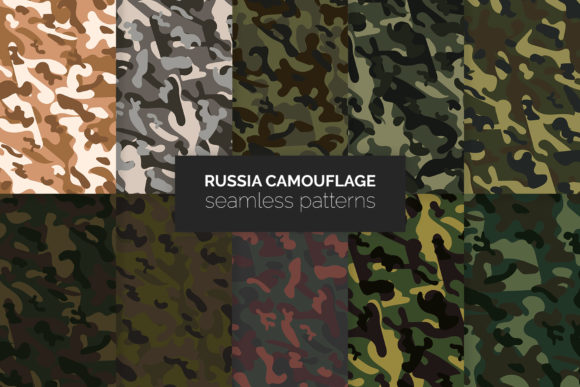
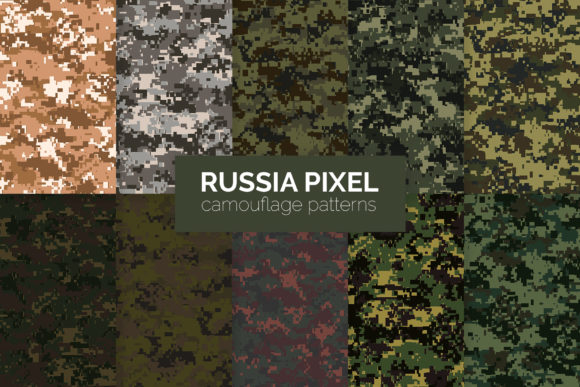
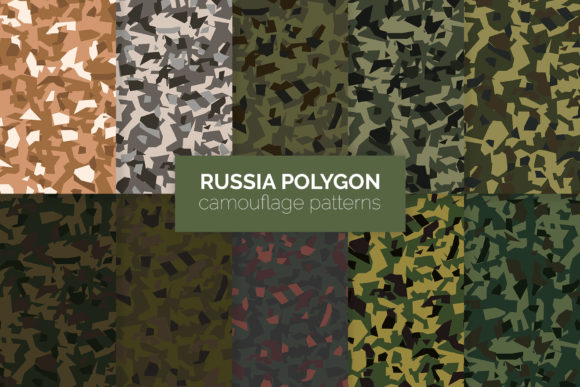
Russia Polygon camouflage patterns represent a shift from the traditional organic, blotchy patterns like the classic Russian "Flora" to a more computer-generated, mathematical approach. The term "Polygon" itself refers to the geometric shapes—typically small squares or pixels arranged in a grid-like fashion—that form the pattern's base. This design philosophy focuses on disrupting the human silhouette at multiple ranges. The small, sharp-edged shapes blend differently depending on distance, making it harder for an observer to lock onto a moving target. In a practical workflow, whether for military procurement, gear design, or historical analysis, understanding this core intent is crucial.
The development of these patterns fits into a broader military research and development process. It begins with identifying environmental requirements—the specific terrains and lighting conditions where the pattern will be used. This is followed by digital design and prototyping, where computer algorithms often help generate and test pattern variations. Finally, rigorous field testing assesses its effectiveness against various surveillance technologies, both human and electronic. For a historian, researcher, or gear enthusiast, tracing this process provides insight into Russia's tactical priorities during the periods when specific Polygon variants were adopted.
Primary Variants and Their Operational Context
Several key Russia Polygon camouflage patterns have been fielded, each tailored for slightly different applications within the military workflow. The most well-known is the Digital Flora pattern, officially known as EMR (Edinaya Maskirovayuschaya Raskraska, or Universal Camouflage Coloration). Introduced in the early 2000s, it was a move towards standardization. Its green, black, and tan pixelated design was intended to be a "universal" pattern for general ground forces across various rural and forested terrains.
A more specialized variant is the Polygon Desert pattern, employing a palette of tan, brown, and light green pixels. Its integration into the military supply chain was likely driven by operational experiences in arid regions, demonstrating how camouflage development directly responds to mission profiles and deployment history. For collectors, model makers, or tactical gear manufacturers, recognizing these variants and their context is essential for accurate representation or reproduction. Using the correct pattern for a specific era or unit adds authenticity and value to a project.
Integrating Polygon Patterns into Creative and Research Workflows
For professionals and hobbyists outside the military, Russia Polygon camouflage patterns become assets and subjects of study. Their integration into various workflows requires a practical approach.
For Digital Artists and Game Developers: These patterns are high-resolution digital assets. Before starting a character or asset design for a modern military game or simulation, acquiring accurate texture files of Polygon camouflage is a key preparatory step. During the modeling and texturing phase, applying the pattern requires attention to scale and orientation to match real-world fabric seams and garment cuts. The pattern interacts directly with your 3D model's UV maps and the lighting engine of your platform; a well-integrated texture will react realistically to in-game light and shadow, enhancing visual authenticity.
For Historians and Writers: Researching Polygon patterns is part of a larger verification and sourcing process. When writing about modern Russian military equipment, confirming the specific pattern used by a unit at a given time involves cross-referencing official releases, photographic evidence, and veteran accounts. This information integrates into your narrative or analysis, supporting claims about standardization efforts or tactical adaptations. It serves as a concrete detail that grounds broader discussions of military reform.
Practical Considerations for Reproduction and Use
If your project involves physically reproducing gear with Russia Polygon camouflage patterns, such as for reenactment, airsoft, or custom apparel, several factors affect the implementation process.
- Fabric and Print Quality: The effectiveness of the digital pattern relies on sharp, high-resolution printing. Selecting a fabric printer capable of handling fine pixel details without blurring is a critical first decision. The pattern's usability on the final product depends on this quality control step.
- Color Matching: The official patterns use specific color ratios. Working from poor reference images can lead to inaccurate reproductions. Obtaining professionally color-corrected source material or, if possible, official color specifications ensures consistency and long-term satisfaction with the product.
- Pattern Alignment and Cutting: When cutting fabric for garments, the pattern's geometric nature requires careful layout planning. Unlike organic patterns, misaligned seams on a pixelated design can be visually jarring. Planning your cut sheets to maintain pattern continuity across seams is an organizational task that directly impacts the final item's professional appearance.
Polygon Patterns in a System of Gear and Environment
No camouflage pattern operates alone. In a real-world tactical workflow, Russia Polygon camouflage interacts with other critical elements. It is part of a system that includes the soldier's personal equipment, weapon, and the environment itself. The pattern's digital design aims to complement the shape-breaking profile of modern body armor and load-bearing equipment. Furthermore, its use is considered alongside other concealment methods, such as tactical movement, light discipline, and the use of natural cover.
For a professional analyzing military effectiveness or a creator building a realistic scenario, this systemic view is vital. The pattern is a tool, not a solution. Its integration into a scene or analysis must account for these interactions. For example, a character wearing perfect Polygon camouflage but standing silhouetted on a ridge would fail the objective—the story or analysis must reflect the holistic use of concealment.
Long-Term Value and Archival
Beyond immediate projects, Russia Polygon camouflage patterns have lasting relevance. As a documented element of 21st-century Russian military history, maintaining accurate digital archives of these patterns serves future research, design inspiration, and educational purposes. For museums, digital archives, or content libraries, organizing these assets with proper metadata—including official name, introduction date, primary users, and color data—ensures their efficiency and usefulness for years to come. This is a process-oriented approach to managing specialized visual resources.
Adapting the Principles to Broader Applications
The underlying principles of Russia Polygon camouflage patterns—using geometric digital forms to disrupt recognition across distances—can inspire workflows in seemingly unrelated fields. A graphic designer might consider how similar "visual disruption" techniques can be used in abstract art or background designs. A marketer thinking about product packaging in a crowded shelf might analogize the challenge of "standing out" versus "blending in." While the direct application is different, the process of analyzing the viewing environment (the store shelf), the observer (the customer), and designing a visual solution follows a parallel logical structure.
Ultimately, whether your engagement with Russia Polygon camouflage patterns is direct or conceptual, focusing on the process behind them yields the most practical value. From military R&D to creative asset management, understanding the why and how of their design, integration, and use provides a framework for effective implementation in your own work, ensuring your efforts are as focused and purposeful as the patterns themselves.