USA Polygon Camouflage Patterns: From Battlefield to Backcountry
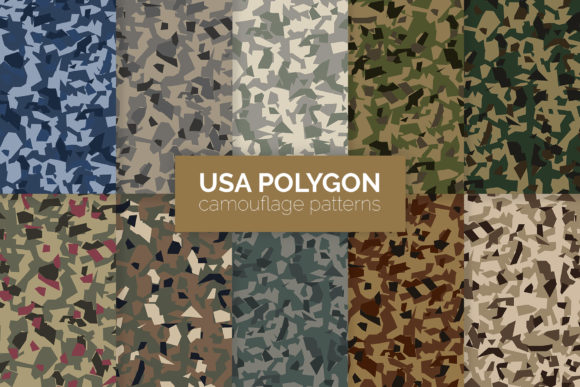
The visual signature of a soldier, hunter, or outdoor enthusiast often begins with their camouflage. For decades, the United States has been a pioneer in developing camouflage patterns that blend the wearer into their environment. Among the most significant modern innovations in this field are USA Polygon Camouflage Patterns. These designs represent a shift from traditional organic shapes to a more geometric, digital approach, fundamentally changing how concealment works in diverse terrains.
What Makes a Polygon Pattern Different?
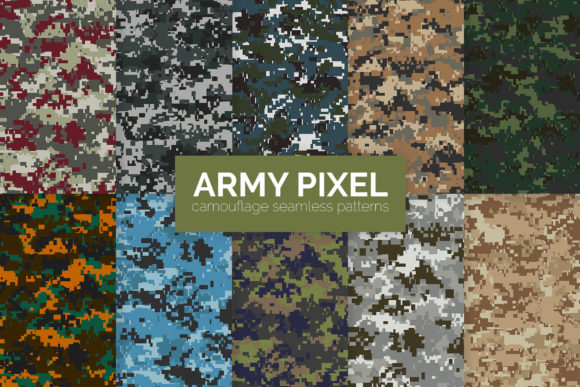
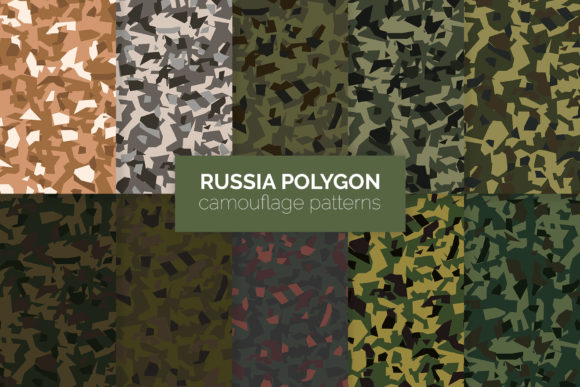
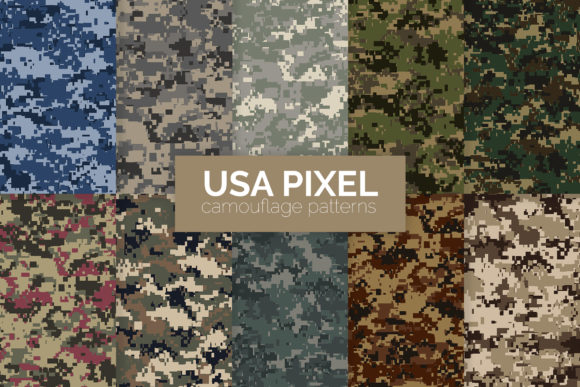
Traditional camouflage, like the classic woodland "bdu" pattern, relied on hand-drawn shapes resembling leaves, branches, and shadows. USA Polygon Camouflage Patterns, however, are built using small, pixelated or geometric shapes—polygons. Think of it as moving from a painting to a computer-generated image. This digital base allows for a more mathematical approach to disruption.
The core function is the same: to break up the human silhouette and prevent the eye from recognizing a person as a single, coherent object. But polygon patterns do this by creating a high level of macro contrast—sharp edges between color blocks—at a distance, while the small polygon shapes create a smoother, less distinct micro pattern up close. This dual effect can be more effective in a wider range of viewing distances and light conditions than older patterns.
The Science of Disruption and Blending
The practical benefit isn't just about looking "digital." The polygon structure allows designers to precisely control the scale and distribution of colors. By carefully placing clusters of darker and lighter polygons, the pattern can mimic the natural clusters of shadows and highlights found in complex environments like forests, transitional scrubland, or even urban rubble. This makes USA Polygon Camouflage Patterns particularly adaptable. They aren't designed for one specific tree or rock; they're designed for the statistical color and light distribution of a general type of terrain.
For the user, this means a pattern that performs reasonably well across a broader seasonal and geographic spectrum. A hunter in the Appalachian foothills might find a polygon pattern works from early autumn through late spring, adapting to the changing foliage better than a highly specialized, overly realistic leaf pattern.
From Military Necessity to Civilian Adoption
The most famous example is the U.S. Army's Universal Camouflage Pattern (UCP), introduced in the early 2000s. Its grey, green, and tan polygon design was intended to be truly universal—for woodland, desert, and urban environments. While its performance was debated, it showcased the ambition of polygon technology. Later, more terrain-specific polygon patterns like the MultiCam family (though less strictly polygon) and its derivatives refined the approach, using polygon-like elements to create vastly superior blends in transitional environments.
This military R&D directly fuels the civilian market. Today, you'll find USA Polygon Camouflage Patterns influencing hunting apparel, tactical gear for law enforcement and airsoft, and even high-end outdoor clothing. The translation is natural: the needs for concealment and adaptability overlap heavily between a soldier on patrol and a hunter on a stalk.
Choosing a Pattern for Your Needs
When considering a polygon-based camouflage for your activities, think about your primary environment and the season.
- Transitional Terrain: If you operate where landscapes mix—like forest edges, marshlands, or mountainous scrub—a polygon pattern with a balanced color palette (greens, tans, some browns) is often an excellent default choice. Its mathematical disruption works well where the scenery itself is mixed.
- Light Conditions: Polygon patterns with good contrast can retain their disruptive effect in low light or overcast conditions better than some flat, low-contrast patterns.
- Movement vs. Static Use: The geometric disruption is effective when moving through varied backgrounds. For static concealment in a very uniform environment (like a pure conifer forest or sandy desert), a more specialized, non-polygon pattern might be marginally better.
Remember, the garment's cut and fabric texture also play huge roles. A baggy, noisy jacket in the perfect pattern will still stand out. Modern gear using USA Polygon Camouflage Patterns often integrates the pattern with functional, quiet fabrics and ergonomic designs.
The Evolution Continues: Beyond the Pixel
The polygon concept isn't static. Current trends are moving towards what some call "hyper-realistic digital" patterns. These use the underlying polygon or digital grid as a framework but incorporate more natural texture overlays and smoother color gradients. They aim to combine the mathematical disruption of a USA Polygon Camouflage Pattern with the intuitive, natural recognition of organic shapes. The result is patterns that are incredibly effective to the human eye and, increasingly, to digital sensors.
Another practical consideration is night vision and sensor avoidance. Some advanced polygon patterns are developed with specific color balances to reduce signature not just to human eyes, but to certain types of optical and electronic detection equipment. This is a niche but growing consideration for specialized professional users.
Common Misconceptions and Practical Observations
One common assumption is that "digital" means it's automatically better. That's not true. A poorly designed polygon pattern can be worse than a well-designed traditional one. The advantage of the polygon approach is its design flexibility and environmental adaptability, not a guaranteed performance boost.
Also, the effectiveness of any camouflage, including USA Polygon Camouflage Patterns, depends heavily on how you use it. Complementing the pattern with proper face and hand concealment, breaking up the outline of your equipment, and understanding how light falls on you are all equally critical. The pattern is a tool, not a magic cloak.
For the recreational user, the durability and availability of clothing in a given pattern matter too. Many popular polygon patterns are now offered by numerous manufacturers in a range of garment types, from lightweight shirts to insulated parkas, making them a practical, accessible choice.
Integrating Camouflage into Your System
Whether you're building a hunting kit, a tactical load-out, or serious outdoor survival gear, view camouflage as one component of a system. Your USA Polygon Camouflage Pattern clothing should work with your pack, your shelter, and even your footwear. Many gear makers now offer packs and accessories in matching or complementary patterns, allowing for a more cohesive concealed profile.
Consider also the legal and ethical context. In some regions, wearing certain camouflage patterns in public outside of hunting seasons or specific activities can raise concerns. Always be mindful of local norms and regulations. The practical benefit of great concealment must be balanced with responsible use.
Ultimately, the rise of USA Polygon Camouflage Patterns marks a fascinating fusion of art, science, and practical need. They embody a move towards smarter, more adaptive concealment solutions that serve the diverse and unpredictable environments where people need to blend in, from the national security mission to the personal pursuit of game and wilderness immersion.