Army Pixel Camouflage Patterns: From Battlefield to Creative Canvas
The concept of camouflage, designed to conceal and disrupt recognition, has evolved dramatically over the centuries. In the digital age, this evolution culminated in the development of pixelated camouflage patterns, most famously seen in military applications like the US Army's Universal Camouflage Pattern. Yet, the influence of army pixel camouflage patterns extends far beyond the theater of operations. These intricate digital designs, born from rigorous scientific research into visual perception and pattern disruption, have become a powerful tool for a diverse range of civilian creators, designers, and professionals. Understanding their structure and principles can unlock unique aesthetic and functional benefits.
The Digital Fracture: How Pixel Camo Works
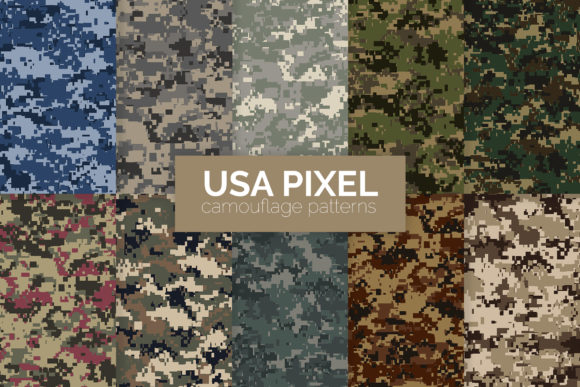
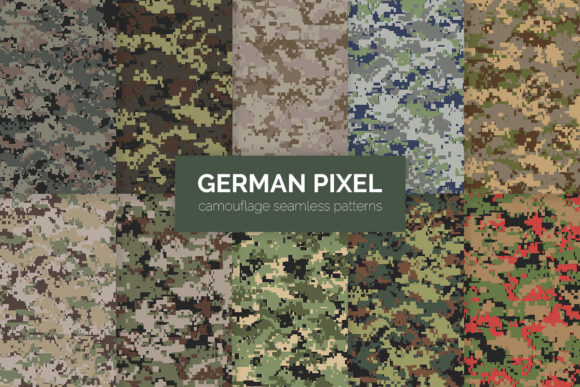
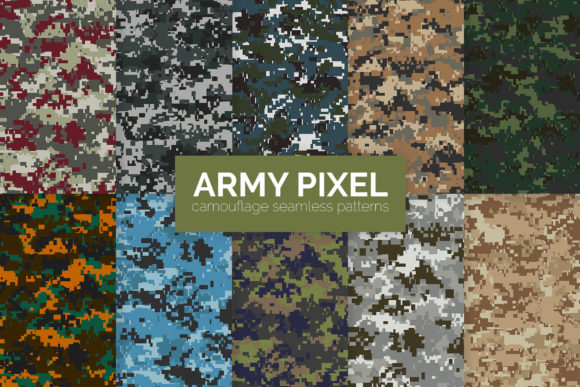
Traditional camouflage often relied on organic shapes and gradients to blend with natural environments. Army pixel camouflage patterns take a fundamentally different approach. They use small, blocky squares or pixels of color arranged in a deliberate, computer-generated mosaic. This "digital fracture" aims to break up the human silhouette at multiple distances. At close range, the pixels create a distinct, non-natural texture. At a distance, these pixels blend to form a more muted, intermediate tone that helps defeat various optical and digital sensing systems. This marriage of art and science, where geometry meets psychology of vision, is the core of its potency.
For the creative professional, this principle is a treasure trove of inspiration. The pattern isn't random; it's a calculated arrangement of color and form to achieve a specific outcome—obscuring while still being a coherent design. Applying this thinking to graphic design, for instance, can lead to backgrounds that are visually engaging without overwhelming foreground content, or to textile patterns that are dynamic yet cohesive.
Practical Applications Beyond the Uniform
Where might you employ the aesthetics and logic of army pixel camouflage patterns? The applications are surprisingly broad, touching on both visual appeal and practical problem-solving.
Enhancing Visual Projects with Authority and Edge
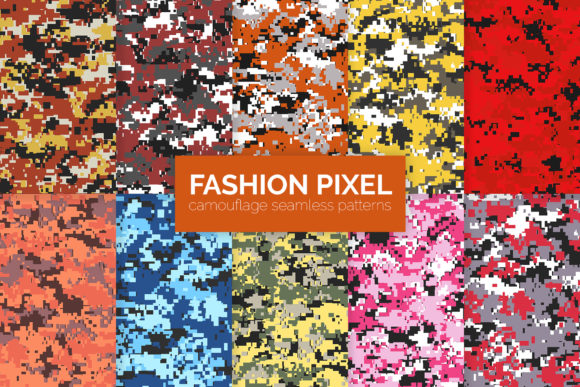
For graphic designers, video game artists, and digital illustrators, pixel camo patterns offer a ready-made palette of gritty, tactical, or tech-forward textures. They carry an inherent association with modernity, complexity, and functionality. Using these patterns—or creating derivatives inspired by their structure—can instantly convey a theme of resilience, innovation, or structured chaos. A website background for a cybersecurity firm, overlay textures in a tactical simulation game, or even bold accent elements in a tech startup's branding can leverage this associative power. The key is adaptation: modifying the color palette from military greens and tans to suit your brand's hues while retaining the pixelated, disruptive structure.
Solving Design Problems Through Pattern Disruption
The fundamental job of army pixel camouflage patterns is to disrupt clear perception. This can be creatively reversed. In product design or UI/UX, a overly busy interface needs to be simplified, or attention needs to be directed away from a less important element. Studying how camo patterns break up a form can inform how you might structure information or visual hierarchy to guide a user's eye more effectively. It’s a lesson in controlled complexity. For example, a dashboard with multiple data streams might use subtly pixelated or segmented color zones to group information without harsh dividers, making the complex data feel more integrated and less intimidating.
Material and Textile Innovation
For fashion designers, hobbyists, and manufacturers, the pixelated pattern has already made its mark on urban apparel and accessories. Its appeal lies in its digital origin and geometric precision. Creating custom fabrics or prints based on pixel camo principles allows for unique product lines that stand out in a market saturated with floral prints and traditional stripes. The pattern is also exceptionally adaptable to different materials and scales, from a detailed print on a backpack to a larger, abstracted version on a piece of furniture. This flexibility supports creative experimentation across mediums.
Who Benefits Most from Exploring Pixel Camo Patterns?
The value of understanding army pixel camouflage patterns is not uniform; it resonates most strongly with specific audiences.
- Visual Creators: Graphic designers, digital artists, game developers, and videographers who need textured, thematic, or modern visual elements in their work.
- Product Designers & Marketers: Professionals developing physical goods or campaigns for markets that value tech, utility, outdoor adventure, or tactical aesthetics (e.g., gaming hardware, athletic gear, tech accessories).
- Educators & Researchers: Those in fields like design theory, visual perception, or military history who can use the pattern as a case study in the intersection of technology, art, and human psychology.
- Small Business Owners in Niche Markets: Owners of brands selling custom prints, tactical gear, or specialized apparel can use unique camo derivatives as a signature product differentiator.
For these individuals, army pixel camouflage patterns serve as both a direct visual resource and a conceptual model for solving design and presentation challenges.
Considerations and Creative Adaptation
While the utility is significant, it's crucial to approach army pixel camouflage patterns with mindful adaptation. Direct, unmodified use of a specific military pattern may carry unintended connotations or, in some cases, legal restrictions regarding the imitation of official uniforms. The goal is not replication, but inspiration and derivation.
Furthermore, the pattern's inherent complexity means it can clash with minimalist design philosophies if not used carefully. It is best employed as an accent, a background texture with adjusted opacity, or a base pattern that is then color-shifted to harmonize with a broader palette. The limitation, therefore, is in its intensity. It is a powerful tool, but one that requires thoughtful integration to ensure it supports the overall message rather than dominating it.
Before committing to a design inspired by pixel camouflage, compare it with other geometric or digital patterns. Ask if the "tactical" or "digital fractured" association aligns with your brand voice. Sometimes, a simpler grid or halftone pattern might achieve a similar modern effect without the specific militaristic undertones. The decision should be driven by the specific emotional and functional response you wish to elicit from your audience.
A Pattern for Modern Problems
In essence, army pixel camouflage patterns represent more than a military garment design. They are a testament to how digital tools can be applied to solve a fundamental human problem—visibility. This same principle translates to civilian creative and professional work. By deconstructing and understanding its approach, you gain access to a unique visual language that can strengthen projects, support thematic communication, and solve design problems through controlled disruption. Whether you are designing a website, creating a product line, or simply looking for a compelling visual texture, the geometric intelligence of pixel camouflage offers a reservoir of practical inspiration. It reminds us that solutions from one field, rigorously developed and tested, can often provide unexpected and valuable insights in another.