The Digital Frontier of Concealment: Understanding Russia Pixel Camouflage Patterns
Camouflage serves a fundamental purpose: to disrupt recognition, to blend an object or person into its surroundings, and to deceive the observer's eye. The evolution of camouflage patterns reflects advancements in technology, materials science, and tactical understanding. Among the most distinctive modern developments in this field are the pixelated patterns, often associated with Russian military and commercial development. These patterns represent a significant shift from traditional organic, blotchy designs to a more geometric, digitally-informed approach to concealment.
A Shift from Nature to Geometry
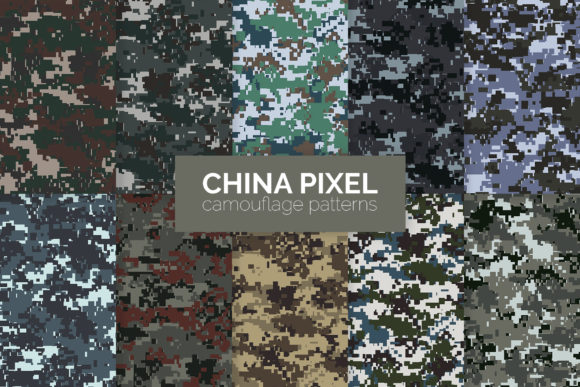
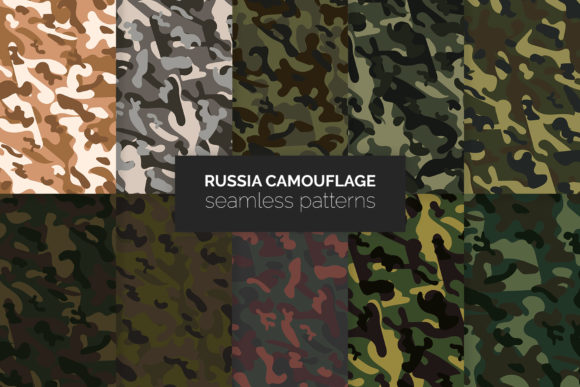
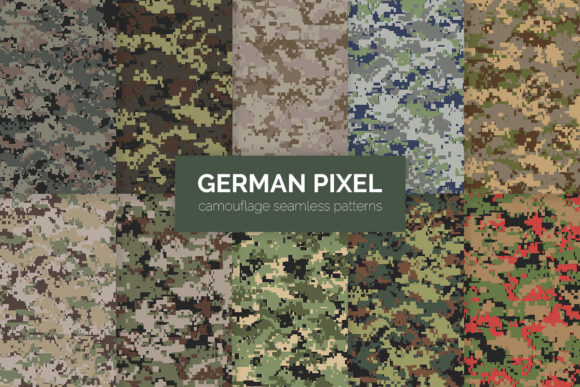
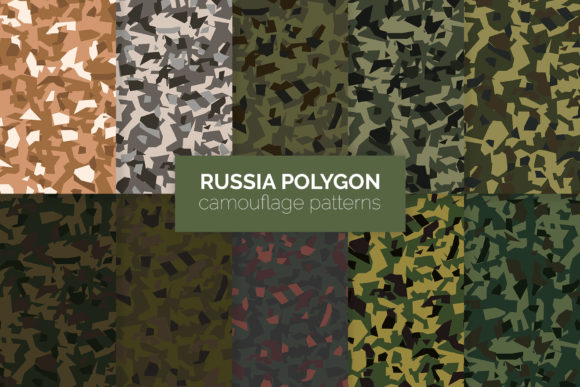
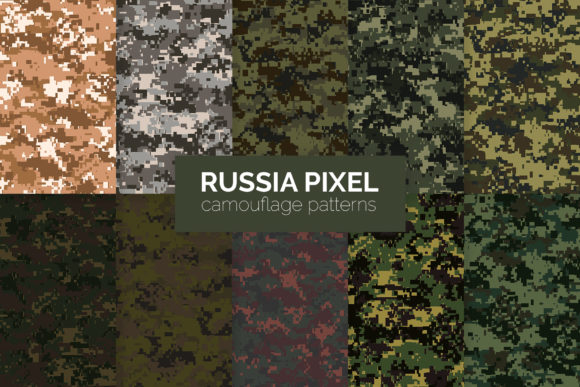
Traditional camouflage, such as the classic woodland or tiger stripe patterns, relies on mimicking natural textures—the irregular shapes of leaves, shadows, and bark. These patterns work by creating a visual breakup that aligns with the chaotic forms found in organic environments. However, the advent of digital imaging and computer-aided design opened a new path. Russia Pixel Camouflage Patterns, exemplified by designs like "Digital Flora" or "Ratnik," utilize small, rectangular or square blocks of color arranged in a grid-like fashion. This pixelation is not arbitrary; it is a calculated method to address how modern sensors and human vision process imagery at various distances.
The core idea is that at close range, the individual pixel blocks create a sharp, disruptive contrast. As distance increases, these discrete blocks merge in the observer's eye—whether human or through an optic device—to form a more uniform, averaged color tone that matches the general hue of the background terrain. This dual-range effectiveness is a key characteristic. The patterns are designed to be effective not just in dense forests, but also in urban settings, arid zones, and the transitional scrubland typical of many operational areas.
The Practical Advantages of Pixelated Design
The adoption of such patterns brings several tangible benefits. First is the versatility across environments. A single pixel camouflage suit, like those employing these Russian-inspired designs, can offer reasonable concealment in multiple settings without the need for environment-specific uniforms. This is crucial for forces operating across varied terrain or for civilian applications like hunting where a hunter may traverse forest, field, and brush.
Second, the manufacturing process for pixelated patterns can be more standardized and efficient. The geometric shapes are easier to print digitally onto fabrics with high precision, reducing color bleed and ensuring pattern consistency across vast rolls of material. This reliability in production translates to consistent performance in the field.
Third, these patterns often integrate a broader spectrum of colors within a single design. A typical pixel pattern might weave together shades of green, brown, black, and even muted tan or grey. This multicolor palette helps in blending into complex backgrounds that have multiple dominant colors, such as a forest edge with soil, grass, and shadow.
Key Considerations for Users and Designers
While the advantages are clear, effective use requires consideration. The pattern's success depends heavily on the color selection being appropriate for the primary intended environment. A pixel pattern using bright greens will be less effective in a desert. Furthermore, the scale of the pixels is critical. Too large, and the pattern becomes obvious at medium range; too small, and the disruptive effect at close range is lost. Russian patterns have undergone iterative development to find optimal pixel sizes for human vision and typical engagement distances.
Another consideration is the material itself. Camouflage is not just about color and pattern; it's about texture and reflectivity. Modern fabrics used with these patterns often include infrared-defeating treatments and matte finishes to reduce shine, making the digital design part of a holistic concealment system.
Real-World Applications Beyond the Military
The influence of Russia Pixel Camouflage Patterns extends far beyond military uniforms. Their distinctive aesthetic and proven functionality have led to adoption in numerous civilian and commercial sectors.
- Outdoor Recreation: Hunters, wildlife photographers, and tactical sports enthusiasts use clothing and gear featuring these patterns. The need for concealment from animal and human eyes in variable outdoor settings makes these designs highly practical.
- Law Enforcement and Security: Specialized units operating in diverse urban and rural environments utilize pixelated camouflage for surveillance and tactical operations, valuing its adaptability.
- Design and Fashion: The striking, tech-inspired look of pixel camouflage has permeated streetwear and high fashion. It symbolizes a connection to digital culture, utility, and a modern military aesthetic, often divorced from its original concealment purpose but leveraging its visual impact.
- Product Design and Branding: The pattern is used on equipment cases, vehicle wraps, and even in digital media backgrounds to convey a sense of ruggedness, technological sophistication, or tactical readiness.
Comparison with Other Camouflage Philosophies
To fully understand these pixel patterns, it is useful to contrast them with other major camouflage families. Traditional organic patterns, like the US M81 woodland, excel in specific, dense environments but can appear as a dark blob in open terrain. Hyper-realistic "photographic" patterns attempt to replicate actual foliage and are highly effective in static positions within one environment. Multi-environment patterns like Multicam use a blend of organic shapes and gradients to work across zones.
Russia Pixel Camouflage Patterns sit between these approaches. They are less environment-specific than photographic patterns but more geometrically defined than multi-environment blends like Multicam. Their strength is in a predictable, scalable visual disruption rather than an imitation of a specific natural scene. This makes them a robust, general-purpose option where the exact environment cannot be guaranteed.
The Role of Research and Iteration
The development of effective pixel camouflage is not a simple graphic design task. It involves extensive field testing, studies in human perception, and understanding of optoelectronic sensor capabilities. Russian developments in this area have been documented through iterative releases, each refining color palettes, pixel scale, and pattern density based on feedback from use in different regions from the Caucasus to Siberia. This empirical approach ensures the patterns are not just visually distinct, but functionally superior for their intended use cases.
Implementation in Gear and Equipment
For those seeking to utilize such camouflage, implementation goes beyond just wearing a uniform. Effective concealment requires integrating the pattern across the entire kit. This includes:
- Primary Clothing: Jackets, pants, and coveralls using the pixel pattern as the base.
- Complementary Gear: Helmets, packs, and pouches should either use the same pattern or solid colors that match the pattern's dominant tones to avoid creating contrasting blocks that break the camouflage effect.
- Consideration for Movement: Camouflage, including pixel designs, is most effective when the subject is stationary. Movement will always increase detection risk. Therefore, the pattern is part of a broader tactic involving slow, deliberate movement and use of cover.
- Environmental Augmentation: Even the best pattern can be enhanced with local materials—adding natural foliage to a helmet or pack can further break up the geometric regularity of the pixel design and improve blending.
The appeal and utility of Russia Pixel Camouflage Patterns lie in their synthesis of digital design principles with the age-old need for concealment. They represent a modern, analytical approach to solving a timeless problem. For professionals, they offer a versatile tactical tool. For hobbyists and creators, they provide a fascinating case study in design meeting function. For businesses, they tap into an aesthetic associated with innovation and rugged capability. As sensor technology continues to evolve, from advanced optics to AI-powered recognition, the science behind these patterns—their color choices, their geometric disruption—will likely continue to be a critical area of development in the ongoing quest to remain unseen.