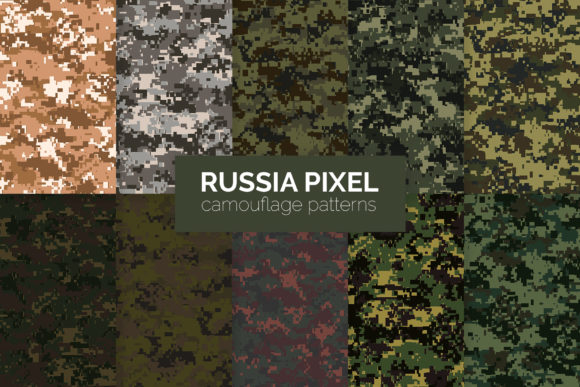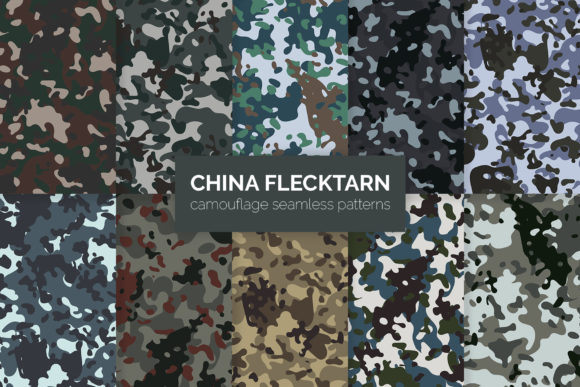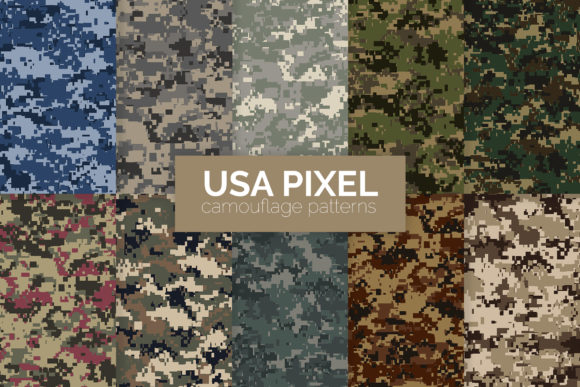
Understanding China Pixel Camouflage Patterns: A Modern Approach to Concealment
Camouflage is a critical tool for concealment, used across military, hunting, and tactical applications. Among the various patterns developed globally, China Pixel Camouflage Patterns represent a distinct and technologically advanced approach. Often referred to as digital camouflage, these patterns utilize small, pixelated blocks of color to create a more effective disruption of the human silhouette against complex backgrounds. This article explores what these patterns are, the challenges they address, and their practical applications for different users.
What Are China Pixel Camouflage Patterns?
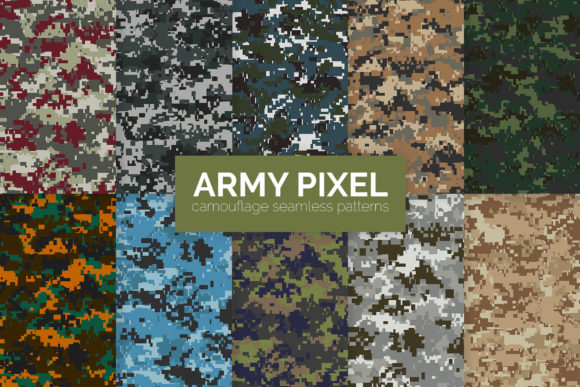
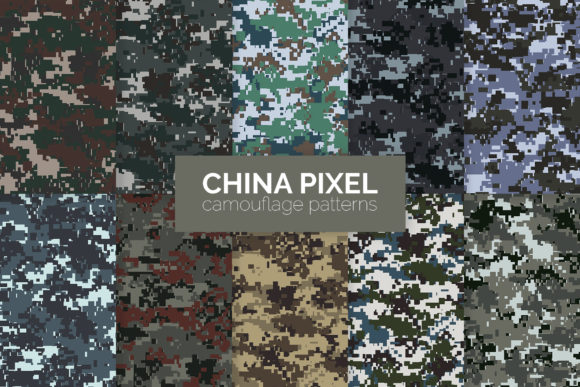
China Pixel Camouflage Patterns are a family of camouflage designs developed primarily for military use by the People's Liberation Army. The most recognized example is the Type 07 pattern, which has been adopted across various branches. Unlike traditional organic, blob-like camouflage (think of classic woodland patterns), pixelated camouflage uses tiny, square or rectangular blocks of color arranged in a grid-like fashion. This digital aesthetic isn't just for style; it's grounded in visual science. The pixelated edges and color distribution work to break up the wearer's outline at multiple distances, blending more effectively with both natural and urban environments where textures are increasingly fragmented.
The core principle behind China Pixel Camouflage Patterns, and digital camouflage in general, is the concept of macro and micro patterns. The small pixels create a fine-grained texture (micro-pattern) that helps in close-range concealment, while the overall arrangement of color blocks forms a larger, disruptive shape (macro-pattern) that is effective at longer distances. This dual-functionality addresses a key limitation of older patterns, which often performed well only at a specific range.
Key Challenges and Needs in Modern Concealment
Individuals and organizations seeking effective camouflage face several specific challenges. First, environments are diverse. A user might need to operate in a forest, a rocky desert, an urban setting, or a mixed transitional zone. A pattern that excels in one may fail in another. Second, detection technology has advanced. Not only human eyes but also various optical sensors and imaging systems pose a threat. Third, there's a need for standardization and cost-effectiveness, especially for large-scale adoption. Finally, for civilian users like hunters or outdoor enthusiasts, the balance between functionality, availability, and legality is a constant consideration.
The goal, therefore, is to find a concealment solution that provides broad-spectrum effectiveness across terrains, counters modern observation techniques, and is logistically feasible. This is precisely the niche where China Pixel Camouflage Patterns have been developed to perform.
How Pixelated Patterns Address These Situations
China Pixel Camouflage Patterns offer a response to these modern challenges through their design philosophy. The pixelated structure is inherently better at mimicking the fragmented textures found in today's landscapes, from digital screen noise in cities to the irregular patterns of scrubland. By using a carefully selected palette of colors relevant to the Chinese geographical spectrum (such as greens, browns, tans, and blacks in the Type 07 woodland variant), the patterns aim for a multi-environmental capability.
From a technological standpoint, the pixel design is said to be more resistant to certain forms of image processing and recognition algorithms, as the sharp, artificial edges can confuse pattern-matching software. Furthermore, the standardized grid-based design of China Pixel Camouflage Patterns facilitates mass production and printing on a variety of fabrics and materials, from uniforms to gear covers, addressing logistical needs.
Practical Applications and Expected Outcomes
The primary application of China Pixel Camouflage Patterns remains military and tactical. Soldiers outfitted in these patterns gain a concealment advantage in a wider array of operational theaters. The outcome is enhanced survivability and operational effectiveness through reduced visual detection. Beyond official use, these patterns have influenced global military design, with many nations adopting or experimenting with their own digital patterns.
For civilian users, the applications are more nuanced. Hunters, for instance, may find that commercial gear inspired by or replicating pixelated camouflage patterns helps break their outline against the increasingly variable backgrounds of modern hunting grounds. Airsoft, paintball, and tactical sports participants often utilize such patterns for both functionality and the modern aesthetic. Outdoor photographers or wildlife observers might use clothing with these patterns to minimize their disturbance on the environment.
The practical outcome for these users is not the absolute concealment required in combat, but a significant improvement in blending into natural settings, leading to more successful hunts, more immersive recreational experiences, or less intrusive observation.
Examples, Recommendations, and Key Considerations
When looking at examples, the Type 07 series is the benchmark. It includes variants like Type 07 Woodland, Type 07 Desert, and Type 07 Ocean (for naval forces), each tailored with a different color palette. For those interested in the visual study of camouflage, comparing these to older Chinese patterns like the Type 87 or to Western digital patterns like the US Marine Corps' MARPAT can be enlightening.
If you are considering gear utilizing China Pixel Camouflage Patterns or similar digital designs, here are some recommendations. First, prioritize environment matching. Select the color variant that most closely aligns with the primary terrain you will operate in. A woodland pattern in a desert is ineffective. Second, consider fabric quality. The pattern's effectiveness is compromised if printed on shiny, non-breathable, or inappropriate material. Look for durable, matte-finish fabrics. Third, understand legal and cultural contexts. In many countries, wearing exact replicas of active military uniforms can be illegal or socially sensitive. Opt for commercially available, generic digital camouflage if your use is recreational.
A key consideration is that camouflage is a system. A pattern alone is not enough. Effectiveness depends on proper use, including movement discipline, gear concealment, and the integration of cover and shadow. The China Pixel Camouflage Pattern is a powerful tool within that system, but not a magic solution.
Tailored Approaches for Different Users
How different groups approach China Pixel Camouflage Patterns varies significantly.
Military Analysts and Historians may study these patterns for their strategic implications, design evolution, and comparative effectiveness against other global patterns. Their focus is on technical analysis and historical context.
Tactical Enthusiasts and Survivalists often seek out gear with these patterns for their purported advanced effectiveness. They might focus on the practical integration of such clothing and equipment into their kits, often mixing patterns based on mission profiles.
Hunters and Outdoor Sports Participants are typically more results-oriented. They will choose a pattern based on direct, observable benefits in their specific environment—does it make them less visible to game or blend into the backdrop better during a hike? Brand and exact origin (Chinese or generic digital) is often less important than proven performance.
Designers and Manufacturers look at China Pixel Camouflage Patterns from a production and innovation perspective. They analyze the color ratios, pixel scale, and printing techniques to inform their own product development for the broader market.
In conclusion, China Pixel Camouflage Patterns stand as a sophisticated answer to the evolving demands of visual concealment. By leveraging a pixelated, digital design, they aim to provide versatile performance across distances and environments. Whether for professional tactical use, recreational hunting, or simply as a subject of design interest, understanding these patterns offers valuable insights into the ongoing pursuit of blending human presence with the surrounding world. Their development underscores a central truth in camouflage: it must continuously adapt to the landscapes and technologies of the times.