Fashion Polygon Camouflage: From Digital Vector to Urban Silhouette
The visual landscape of fashion is perpetually evolving, borrowing from art, technology, and even military design. Among the most compelling of these cross-disciplinary borrowings is the emergence of Fashion Polygon Camouflage Patterns. This isn't about hiding in a forest; it's about making a statement on the street. Unlike traditional organic camo, which mimics natural textures, polygon camouflage is built from sharp, angular, often low-polygon-count geometric shapes. It creates a digital, fractured aesthetic that feels simultaneously futuristic and retro, a paradox that designers are eagerly exploring.
The Anatomy of a Polygon Pattern
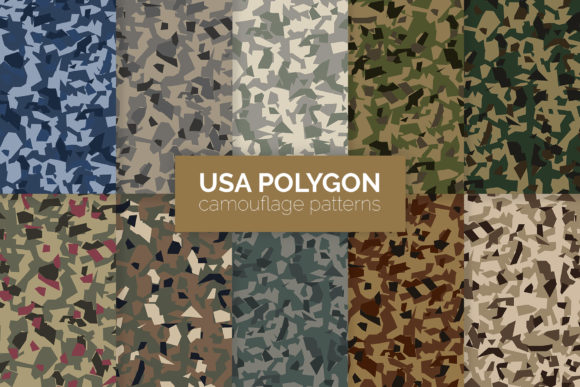
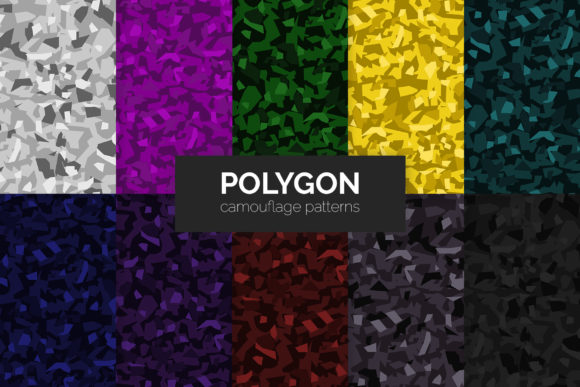
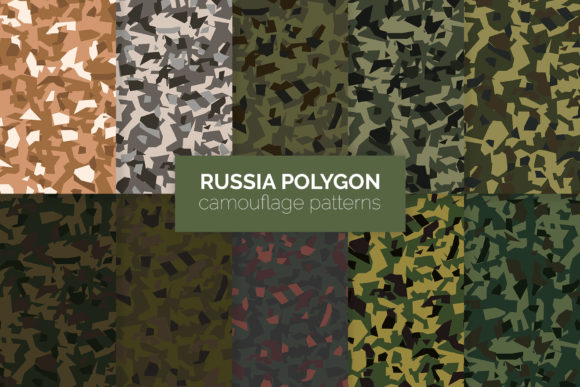
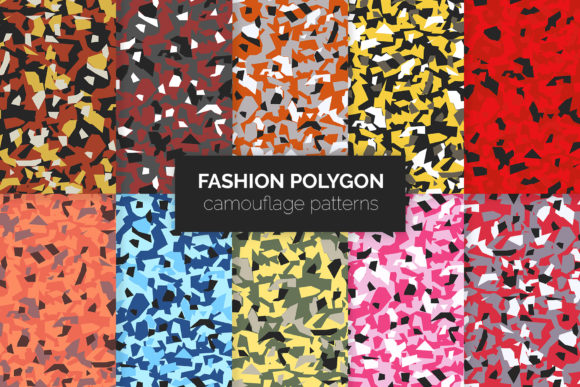
To understand its impact, we must dissect its components. A Fashion Polygon Camouflage Pattern is fundamentally a vector-based design. It relies on flat, colored polygons—triangles, quadrilaterals, hexagons—arranged in a seemingly non-repeating but cohesive layout. The edges are crisp, the color transitions abrupt. This creates a visual rhythm of hard lines and solid blocks of color. The palette is critical: it often moves away from earthy greens and browns toward urban and synthetic tones—metallic grays, electric blues, neon accents, or muted pastels. This shift recontextualizes the pattern from a tool of concealment to a badge of visibility.
Furthermore, the scale and density of the polygons vary dramatically. Some applications use large, sparse polygons for a bold, graphic effect, while others deploy dense, small-scale polygons to create a more textured, almost pixelated surface. This flexibility allows the pattern to adapt from a dominating feature on a bomber jacket to a subtle, intricate detail on accessory trim.
Roots in Digital and Tactical Design
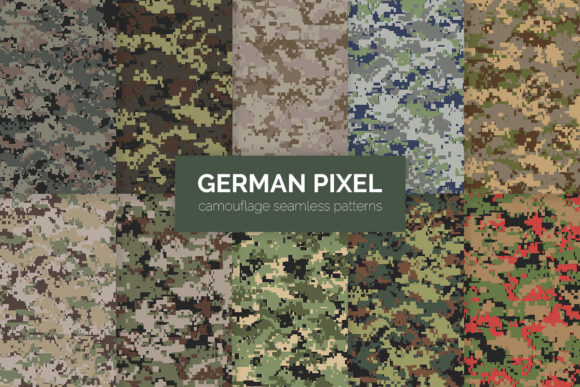
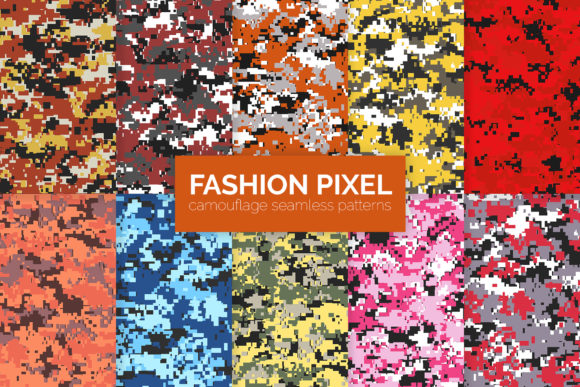
The genesis of this style lies in two parallel worlds. First, the digital realm of early 3D computer graphics and video games, where "low-poly" models were a technical necessity, creating a distinct aesthetic that has become nostalgically chic. Second, actual modern military camouflage research, like the US Marine Corps' experimental MARPAT, which uses digitized pixelated patterns for better disruption of human shape at various distances. Fashion has abstracted these functional origins, stripping away the purpose of concealment and amplifying the form. The result is a pattern that speaks to a culture fascinated by technology, gaming, and a reimagined urban utility.
Practical Applications Across the Fashion Spectrum
The real-world relevance of polygon camouflage patterns is vast, touching nearly every facet of apparel and beyond.
- Streetwear and Urban Apparel: This is the natural habitat. Hoodies, track pants, caps, and sneakers frequently incorporate polygon camo as a primary print. It aligns perfectly with the tech-infused, boundary-pushing ethos of streetwear. Brands often use it to signify a connection to digital culture and avant-garde design.
- Technical Outerwear and Performance Gear: Here, the pattern nods to its tactical ancestry. High-end cycling jackets, ski wear, and hiking apparel sometimes feature geometric camouflage, blending a performance-ready look with aesthetic edge. It suggests precision and a modern approach to outdoor activity.
- Accessories and Footwear: From geometric camo prints on backpacks and duffle bags to intricate patterns on shoe uppers and soles, the application is versatile. It adds a layer of complex detail without overwhelming the item's primary function.
- High Fashion and Avant-Garde Design: Designers on the runway have deconstructed and reinterpreted the pattern, using luxurious fabrics like silk or technical jacquards. The polygons might be exaggerated, mirrored, or rendered in unexpected colorways, pushing the concept into pure artistic expression.
Why Designers and Consumers Are Drawn to It
The advantages of this trend are multifaceted, explaining its staying power beyond a mere fad.
For creators and designers, polygon camouflage offers a rich playground. Its vector-based nature makes it infinitely scalable and adaptable for digital design tools. It can be easily recolored, resized, or layered with other patterns. It carries a inherent narrative of modernity and innovation, allowing brands to position themselves at the intersection of fashion and tech. Furthermore, it provides a distinct visual signature that can be trademarked or become closely associated with a brand's identity, much like traditional camo patterns for certain heritage labels.
For consumers and wearers, the appeal is equally strong. The pattern communicates a specific set of values: it's seen as cutting-edge, intellectually connected to digital arts, and consciously detached from the militaristic connotations of traditional camo. It functions as a form of social camouflage—not hiding the individual, but rather signaling membership in a particular, style-aware tribe. The bold geometry also offers a way to break from minimalist solid colors without venturing into floral or abstract prints, satisfying a desire for complexity and structure.
Key Considerations in Implementation
While the pattern is powerful, its use requires thoughtful execution. A primary consideration is balance. Due to its high visual impact, overwhelming an entire ensemble with large-scale polygon camo can be challenging to wear. Successful implementations often balance the pattern with solid blocks of color or simpler textures. Another point is context. The chosen color palette must align with the item's intended use and audience; a neon polygon camo might suit a festival jacket but not a business-casual blazer, even in a subtle form.
From a production standpoint, achieving the crisp, clean edges of the polygons is crucial. This requires precise printing or weaving techniques. Digital printing excels here, allowing for the sharp detail and complex color areas. Fabric choice also matters; a stiff canvas will hold the shape of the pattern differently than a flowing nylon, affecting the final aesthetic.
Observing the Pattern in Motion: Trends and Variations
Current observations show the trend evolving in several directions. One is hybridization, where polygon shapes are blended with organic elements, like shattered leaf silhouettes or digital-rendered animal prints, creating a bridge between the natural and synthetic. Another is the move into textured applications, such as embroidered polygon patterns or 3D knitted jacquards, where the geometry is not just printed but built into the fabric's structure, adding a tactile dimension.
The pattern has also spilled beyond pure apparel. We see it in interior design on cushions and wall art, in graphic design for branding and web elements, and even in cosmetics as inspiration for geometric eye makeup looks. This cross-pollination confirms its strength as a visual language, not just a clothing print.
For educators and researchers, Fashion Polygon Camouflage Patterns present a compelling case study in how functional design from non-fashion domains is aestheticized and absorbed into popular culture. It illustrates the cyclical relationship between utility and ornament, and serves as a tangible example for students learning about trend forecasting, design history, and cultural semiotics.
The Business of Geometric Camouflage
For business owners and retailers, this trend represents both opportunity and challenge. The opportunity lies in catering to a demographic that values design innovation and digital-native aesthetics. Stocking items featuring these patterns can attract a fashion-forward customer. However, the challenge is in curation and timing. As a distinct trend, it may have a sharper peak and decline than more traditional patterns. Understanding the subtler shifts in color palette or polygon scale—what is moving from avant-garde to mainstream—is key to commercial success.
Moreover, the pattern's inherent link to digital culture makes it highly amenable to online marketing and social media presentation. Its graphic nature pops on screen, making it effective for e-commerce photography and digital advertising campaigns aimed at audiences immersed in visual platforms like Instagram or TikTok.
Ultimately, Fashion Polygon Camouflage Patterns are more than just a print. They are a visual dialect born from the convergence of the digital and the tangible, the tactical and the decorative. They satisfy a contemporary desire for structured complexity and coded meaning in what we wear. From the vector file on a designer's screen to the final garment on a city street, this geometric language continues to find new ways to articulate a modern, fractured, and consciously constructed identity.