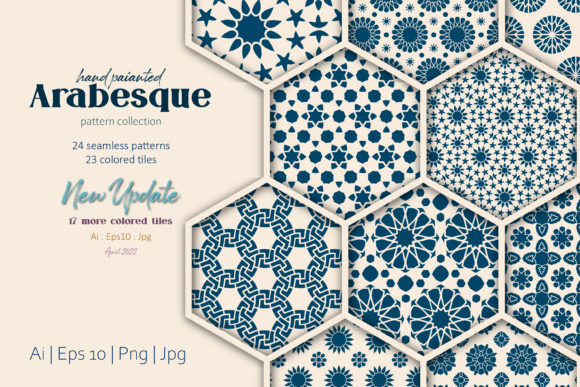
Using Arabesque Islamic Art Patterns to Inspire Design, Mindfulness, and Cultural Connection
Arabesque Islamic art patterns represent one of the world's most sophisticated and enduring artistic traditions. Far more than simple decoration, these intricate designs combine geometric precision, flowing botanical motifs, and a deep philosophical foundation that continues to captivate designers, artists, and seekers of beauty. Whether you want to understand the cultural significance, incorporate these patterns into your own creative projects, or simply appreciate their visual harmony, there is a wealth of practical knowledge waiting to be explored.
What Exactly Are Arabesque Islamic Art Patterns
At their core, arabesque Islamic art patterns are ornamental designs characterized by repeating, interlacing forms that often blend stylized vegetation, abstract geometric shapes, and fluid calligraphic elements. The term "arabesque" evokes the flowing, vine-like scrollwork that seems to grow infinitely across surfaces, while at the same time reflecting deeper Islamic principles of unity, transcendence, and the infinite nature of creation. These patterns avoid depicting human or animal figures in sacred contexts, which led artists to develop extraordinarily complex non-figurative decoration over centuries of practice.
You will typically encounter three intertwined strands within arabesque Islamic art patterns. The first is geometric pattern, built from circles, squares, stars, and polygons that radiate outward in mathematically precise arrangements. The second is vegetal arabesque, featuring leaves, vines, flowers, and palmettes that curve and split in rhythmic, continuous motion. The third is calligraphic ornament, where Arabic script becomes a design element in its own right, often carrying verses or blessings while functioning as a visual anchor for the surrounding decoration.
Why People Turn to Arabesque Islamic Art Patterns Today
Modern interest in arabesque Islamic art patterns goes well beyond academic curiosity. Many people encounter a genuine need that these designs seem uniquely equipped to address. Some are looking for ways to bring a sense of calm and order into visually chaotic environments. Others seek authentic cultural connections, whether for personal heritage reasons or to appreciate artistic traditions outside their own experience. Designers and architects often face the challenge of creating spaces that feel both timeless and distinctive, and they find an answer in the balanced complexity of these patterns.
The search for mindfulness and meditative focus also draws people toward arabesque Islamic art patterns. The process of drawing, coloring, or even just tracing these intricate designs with your eyes can produce a state of relaxed concentration similar to what people experience through mandala work or other contemplative art practices. There is something deeply satisfying about following a line through a seemingly endless geometric journey, and that satisfaction translates into stress reduction and mental clarity for many practitioners.
Understanding the Challenges of Working with Complex Patterns
If you have ever tried to replicate or adapt arabesque Islamic art patterns, you already know that the beauty comes with a learning curve. The first challenge is often just knowing where to start. A complete arabesque composition can look impossibly dense, and without understanding the underlying construction principles, it is easy to feel overwhelmed. The patterns are not random; they follow precise geometric rules and construction sequences. Missing that foundational knowledge leads to frustration and abandoned projects.
Another common difficulty involves translating traditional patterns into modern media. You might want to use arabesque motifs in digital design, textile printing, laser cutting, or interior decoration, but adapting a hand-drawn historical pattern to vector software or production constraints requires specific approaches. Scale, color application, and material limitations all present real-world hurdles that need practical solutions.
There is also the challenge of cultural sensitivity. Many people worry about appropriation versus appreciation. They want to engage with arabesque Islamic art patterns respectfully but feel uncertain about what is appropriate. This concern is valid, and approaching the tradition with genuine curiosity and acknowledgment of its origins goes a long way toward resolving that tension.
Practical Ways Arabesque Islamic Art Patterns Enhance Creative Projects
Once you understand the basics, the applications for arabesque Islamic art patterns open up dramatically. In interior design, these patterns can transform a feature wall, a ceiling medallion, or a tiled surface into a focal point that carries depth and meaning. The key is to treat the pattern as an integral part of the spatial experience rather than an afterthought. For example, a geometric star pattern painted on a ceiling in soft, muted tones can draw the eye upward and make a room feel taller while imparting a sense of quiet order.
Textile design is another area where arabesque patterns shine. Repeating motifs work naturally on fabric, and the flowing lines of vegetal arabesques lend themselves beautifully to upholstery, scarves, cushions, and fashion pieces. When adapting patterns for fabric, consider the scale carefully. A large, bold arabesque on a duvet cover makes a statement, while a smaller, tighter repeat on a silk scarf offers subtle elegance. The material itself influences the effect—linen holds crisp lines well, while silk softens and enriches the pattern's movement.
Digital artists and graphic designers increasingly incorporate arabesque Islamic art patterns into branding, packaging, and illustration work. The patterns can convey heritage, luxury, contemplation, or exotic appeal depending on how they are colored and contextualized. A tech company might use abstracted geometric arabesques in a logo mark to suggest precision and connectivity, while a wellness brand could employ softer botanical arabesques to evoke natural harmony. The versatility is genuine, and the visual language speaks across cultures.
Learning to Draw Arabesque Islamic Art Patterns Yourself
One of the most rewarding ways to engage with this art form is to learn the construction methods yourself. You do not need to be a trained artist or mathematician. The process begins with basic tools: a compass, a ruler, a sharp pencil, and good paper. From these simple instruments, extraordinary complexity can grow. Start with a circle divided into equal parts—this is the seed from which most geometric arabesque patterns develop. Connecting intersection points in systematic ways generates stars, polygons, and the interlacing ribbons characteristic of the style.
Many people find that starting with a six-pointed or eight-pointed star pattern provides an accessible entry point. These foundational structures appear again and again across historical examples from Andalusia to Mughal India, and mastering them gives you a vocabulary that you can combine and elaborate upon. As you gain confidence, you can introduce curves and vegetal flourishes that soften the geometric rigor, creating the balanced interplay that defines the finest arabesque Islamic art patterns.
Coloring is another layer of creative decision-making. Traditional palettes draw from mineral pigments—deep cobalt blues, turquoise, terracotta, ochre, and touches of gold. You can honor those traditions or push into contemporary color schemes that suit your project. The important thing is to maintain contrast between foreground pattern and background, so the intricate line work remains legible and striking.
Bringing Arabesque Patterns into Architecture and Spatial Design
Architects and interior designers have long understood the power of arabesque Islamic art patterns to define space and create atmosphere. The application ranges from traditional carved stucco and zellij tilework to modern laser-cut metal screens and CNC-routed wood panels. These architectural uses do more than decorate; they modulate light, provide privacy, and guide movement through a building.
Consider a mashrabiya-style screen with an arabesque pattern used as a room divider or window treatment. The perforated design filters sunlight into shifting patterns throughout the day, making the interior feel alive and connected to the outside while maintaining seclusion. In retail or hospitality settings, a feature wall clad in geometrically patterned tiles immediately signals a level of care and design intention that visitors notice and remember. The investment in such detailing often pays dividends in customer perception and brand identity.
For residential spaces, even small touches make a difference. A backsplash in a kitchen or a border tile in a bathroom featuring arabesque motifs anchors the room in an artistic tradition that feels both ancient and fresh. Suppliers now offer ready-made tiles, wallpaper, and stencils that make achieving this look accessible without requiring custom fabrication.
Mindfulness, Wellbeing, and the Meditative Quality of Pattern
The connection between arabesque Islamic art patterns and mental wellbeing deserves special attention. The act of engaging with these patterns—whether through drawing, coloring, or simply contemplating them—can have a grounding effect. In Islamic philosophy, the infinite repetition and interlocking unity of arabesque design reflect the contemplation of divine order. Even outside a religious framework, the psychological benefit of orderly, harmonious visual input is well documented.
Therapists and wellness practitioners sometimes incorporate pattern-based activities into their work with clients dealing with anxiety or attention difficulties. The gentle demand for focus that arabesque patterns require can help quiet a busy mind. Unlike freeform art, which can sometimes feel pressure-filled, working within a geometric structure provides reassuring boundaries while still allowing for creative expression in color choices and variations. Several adult coloring books now feature arabesque Islamic art patterns specifically marketed for relaxation, and their popularity confirms that many people find genuine relief in this practice.
Making Culturally Informed Choices
Engaging with arabesque Islamic art patterns comes with the opportunity to deepen your cultural understanding. These patterns did not emerge in a vacuum; they developed within societies where art, mathematics, and spirituality were intimately connected. Taking time to learn about that context enriches your own experience and ensures that your use of the patterns is informed rather than superficial.
When sourcing patterns or inspiration, look for reputable references. Museum collections, scholarly publications, and artists who work within the tradition are excellent starting points. If you sell work that incorporates arabesque Islamic art patterns, consider acknowledging the cultural origins in your product descriptions or artist statements. Transparency builds trust and shows respect. Most practitioners within the Islamic art community are generous with knowledge when approached sincerely and are glad to see their heritage appreciated thoughtfully.
Resources and Next Steps for Different Types of Users
The path you take depends on your goals. If you are a designer looking for immediate applicable assets, vector libraries and stock platforms now offer authentic arabesque pattern sets that you can license and adapt. Ensure the sources are ethically produced, ideally by artists from the relevant cultural backgrounds. If you are a hobbyist seeking a new skill, online tutorials and workshops taught by master artisans from Turkey, Morocco, Iran, and other centers of Islamic art provide structured learning. Many of these are now available as video courses, making them accessible worldwide.
For educators and parents, arabesque Islamic art patterns offer rich material for interdisciplinary teaching. A single pattern can open discussions about geometry, history, religion, and art simultaneously. Simple templates help children develop fine motor skills and patience, while older students can explore the advanced mathematical properties embedded in star pattern generation. Museums with Islamic art collections frequently provide educational resources, including downloadable activity sheets and lesson plans, that make integration into curricula straightforward.
Whatever your starting point, the key is to begin with curiosity and patience. Arabesque Islamic art patterns reward sustained attention. The more time you spend with them, the more their inner logic reveals itself, and the more you discover about your own creative preferences. Start with a single motif, let yourself get lost in the lines, and see where the pattern leads you.