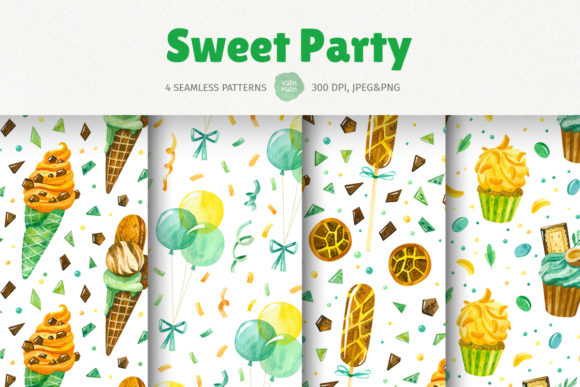
Seamless Patterns with Ice Cream and Sweets
Picture a background that repeats perfectly without any visible seams or awkward breaks. Now fill that background with scoops of strawberry ice cream, colourful lollipops, chocolate-dipped waffle cones, and delicate macarons. That is the essence of seamless patterns with ice cream and sweets — digital designs crafted so the edges blend invisibly, creating an endless, uninterrupted surface of sugary charm.
These patterns have grown well beyond simple clip art. They are now serious creative assets used by surface designers, stationery brands, packaging studios, and even app developers looking to inject a sense of warmth and nostalgia into their projects. Whether you are a small business owner designing product labels or a hobbyist personalising a phone case, understanding how these patterns work opens up a surprisingly versatile toolbox.
What Makes a Pattern Truly Seamless
When designers talk about a seamless pattern, they mean a tileable image. If you place copies of the same square or rectangle next to each other — top, bottom, left, right — the design flows without a single visible line. For ice cream and sweet-themed patterns, this requires careful placement of elements so a melting drip on the left edge continues naturally onto the right side of the tile.
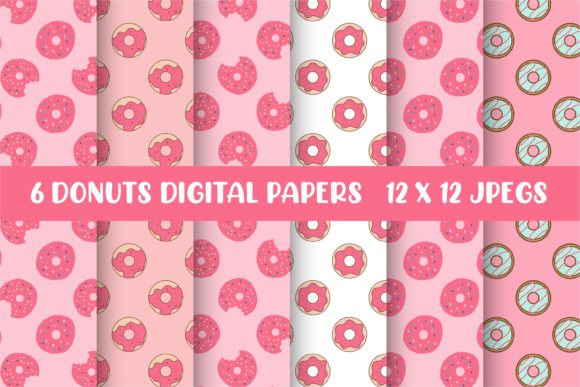
The technical side involves mirroring edges, offsetting elements, and painstakingly checking how repeats behave. But from a user's perspective, the result feels effortless. You get a continuous surface of pastel gelato scoops, striped candy canes, or sprinkled doughnuts that can scale to any size without losing quality.
Key Characteristics of High-Quality Sweet Patterns
- Balanced density — enough motifs to feel lively without crowding the canvas
- Consistent lighting and shadows — important for realism on 3D product mockups
- Thoughtful colour palettes — mint greens, blush pinks, creamy vanillas, and rich cocoa tones
- Varied scale options — some patterns read well as tiny repeats, while others demand a larger tile to showcase detail
Why People Gravitate Toward Ice Cream and Sweet Motifs
There is an emotional pull that dessert imagery carries. Ice cream evokes childhood memories, summer afternoons, and a sense of comfort. Sweets in general tap into celebration — birthdays, holidays, and small everyday rewards. When these motifs appear as seamless patterns with ice cream and sweets, they become versatile visual storytelling tools rather than just decoration.
From a design psychology standpoint, rounded shapes and warm colour temperatures tend to feel approachable. Ice cream scoops, gumdrops, and macarons share those soft, inviting silhouettes. This makes them particularly effective for brands and creators who want to appear friendly, playful, or family-oriented without sacrificing a polished look.
Where These Patterns Shine in the Real World
You might initially think of wrapping paper or children's clothing, but the applications extend much further. Here are some of the most practical and popular ways professionals and hobbyists use sweet-themed seamless patterns today.
Digital Product Backgrounds and Marketing
Social media graphics, email newsletter headers, and website section dividers all benefit from subtle pattern work. A pale ice cream repeat in the background of an Instagram story can frame text without overwhelming it. Many online shops selling digital planners and journals include dessert-themed covers that use seamless tiling to maintain crisp edges at any screen resolution.
Print-on-Demand Merchandise
Whether you sell through Etsy, Redbubble, or your own store, all-over-print products rely heavily on seamless designs. Tote bags covered in tiny gelato cups, duvet covers with repeating waffle cone prints, and phone cases featuring rows of colourful lollipops all start from a single tileable file. The ability to upload one design that automatically repeats across a product surface makes these patterns incredibly efficient for print-on-demand entrepreneurs.
Stationery and Paper Goods
Notebook covers, planner inserts, sticker sheets, and gift wrap are natural homes for seamless patterns with ice cream and sweets. Patterned paper goods sell consistently because they combine practical function with a dose of personality. A notebook with a subtle repeating gelato pattern feels special without being loud, making it appealing to both teenagers and adults who keep bullet journals.
Fabric and Apparel Design
Independent fashion labels and sewing pattern companies use sweet-themed seamless designs on everything from summer dresses to baby onesies. Spoonflower and similar fabric printing services accept seamless files, meaning a designer can upload one tile and order it printed on cotton, jersey, silk, or denim by the yard. The repeat quality directly affects how professional the finished garment looks.
Branding and Packaging for Food Businesses
Artisan ice cream shops, bakeries, and confectionery brands often need patterned wrapping paper, tissue inserts, or box liners that reflect their product. A custom seamless pattern featuring the specific sweets they sell — say, pistachio gelato and cannoli — can become a signature visual element that customers recognise instantly. This approach costs far less than commissioning entirely new illustrations for every packaging format.
Understanding Pattern Licensing and Usage Rights
Before you download or purchase a pattern, take a close look at the licence terms. Not all sweet-themed patterns come with the same permissions. Some designers allow personal use only, meaning you cannot sell items that feature their work. Others offer commercial licences but cap the number of physical products you can produce. Extended commercial licences typically remove those caps and may allow you to modify the original file.
Several marketplaces — Creative Market, Adobe Stock, Design Cuts — host thousands of dessert and ice cream seamless patterns. Reading the fine print protects both your business and the original artist. When in doubt, send a quick message to the designer. Most are happy to clarify what their licence covers.
Choosing the Right Pattern for Your Project
Not every ice cream pattern works for every purpose. Consider these practical factors before committing to a design.
- Scale and repeat size. A pattern that looks lovely on a 12-inch tile might feel sparse or cramped on a phone screen. Request or create a preview that shows the pattern at the approximate dimensions of your final product.
- Colour versatility. Some files include multiple colourway options — perhaps a neon version for summer merchandise and a muted pastel version for nursery décor. Having variations means you can adapt one purchase across several projects.
- File format and resolution. PNG files support transparency, which matters if you plan to layer the pattern over coloured backgrounds. Vector formats like AI or EPS allow infinite scaling, ideal if you are unsure about final print dimensions.
- Distinctness of the motif. Extremely detailed illustrations can turn muddy when repeated at a small scale. Simpler, bolder sweet icons tend to read more cleanly on fabric and small merchandise.
Creating Your Own Sweet Patterns From Scratch
You do not need to be an experienced illustrator to start making seamless patterns with ice cream and sweets. Several accessible tools have streamlined the process dramatically. Procreate on the iPad includes a pattern-making canvas that shows how your tile repeats in real time. Adobe Illustrator's pattern tool lets you adjust spacing, overlap, and tile type with sliders. Even free platforms like Canva now offer basic pattern generation for simple repeats.
Start by sketching or sourcing individual sweet elements — a single ice cream cone, a wrapped candy, a cherry — and arrange them in a square canvas. Place elements partially off the edges, then duplicate those partial pieces to the opposite sides. Test the tile by duplicating the square across a larger canvas and checking for obvious breaks or gaps. Adjust until the repeat feels natural and balanced.
Common Mistakes That Disrupt a Seamless Look
Even experienced designers occasionally encounter issues. Watch for these pitfalls when working with or evaluating sweet-themed seamless patterns.
- Visible straight lines. If elements cluster in the centre of the tile, the repeat creates an obvious grid. Spread motifs more organically across the entire canvas.
- Scale inconsistency. Mixing a highly detailed, realistic ice cream scoop with flat, cartoon-style sprinkles can create visual tension. Maintain a consistent illustration style.
- Shadow misalignment. If drop shadows fall in different directions across the tile, the pattern feels disjointed. Set a single global light source and stick to it.
- Overcomplication. Too many distinct sweet types crammed into one tile can overwhelm the eye. Edit down to a cohesive theme — perhaps just gelato and waffle cones rather than every dessert imaginable.
Trends and Timeless Styles Worth Noting
The sweet pattern niche refreshes itself with each design cycle. Current popular styles include retro gelato shop aesthetics with muted terracotta and pistachio tones, kawaii-inspired faces on ice cream characters, and realistic watercolour sweets that feel almost edible. Meanwhile, classic gingham paired with simple vanilla ice cream scoops remains a perennial favourite for summer picnic merchandise.
Following trends can boost discoverability if you sell patterns on marketplaces, but building a library of versatile, slightly timeless designs tends to generate steadier long-term interest. Many successful pattern designers release seasonal collections — peppermint candy themes for winter holidays, tropical sorbet patterns for spring and summer — while maintaining a core set of year-round sweet designs.
Making Patterns Accessible Across Different Skill Levels
Beginners often benefit from choosing patterns that already include matching solid colour swatches or coordinating simpler designs. This makes it easier to pair the pattern with other elements in a coherent layout. More advanced users might layer two seamless patterns — one with bold ice cream illustrations and another with a subtle sprinkle texture — using opacity and blending modes to create entirely new effects.
Educators teaching design fundamentals frequently reach for food-themed patterns because students connect with the subject matter instantly. An assignment that asks students to create a repeat pattern featuring their favourite childhood sweet teaches grid systems, colour harmony, and edge matching in a way that feels personal and rewarding.
If you are evaluating seamless patterns with ice cream and sweets for a commercial project, test a sample of the file on your intended medium before bulk ordering. A pattern that looks flawless on screen might print slightly off-register on textured paper or stretch unevenly on knit fabric. That small step prevents costly reprints and ensures your final product matches the cheerful, polished feel that drew you to the design in the first place.