Seamless Hand Drawn Polka Dot Patterns That Keep Your Projects Feeling Human
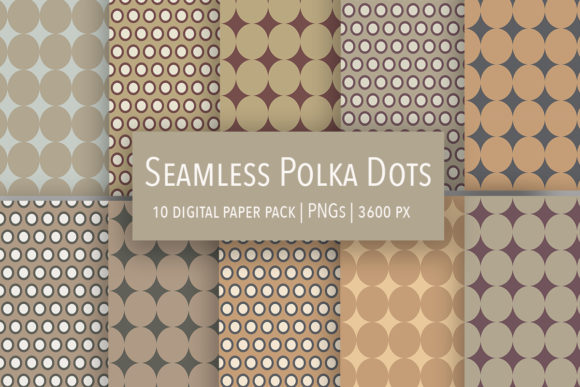
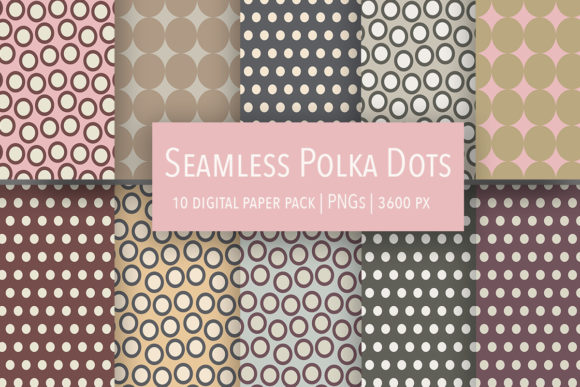
Polka dots seem simple until you try making them yourself. The spacing feels off, the circles look mechanical, and nothing repeats cleanly across a page or screen. That friction is exactly why Seamless Hand Drawn Polka Dot Patterns 1 exists. It is a collection of repeating patterns built from real hand-drawn marks, not perfect vector circles. Each dot carries slight irregularities, softer edges, and the kind of warmth that only comes from ink or pencil touching paper before being digitized. The result is a set of backgrounds and textures that tile smoothly while preserving the imperfections people actually notice and respond to.
What makes these patterns different is the seamlessness paired with the human touch. You can drop them into a project, stretch them across any surface, and never see a hard edge or obvious repeat line. For anyone who has wrestled with pattern swatches that show jarring breaks at the tile boundary, that reliability alone saves real time and frustration.
Where Hand-Drawn Texture Outperforms Digital Perfection
Clean vector dots have their place, but they often feel cold. Hand-drawn polka dots introduce a tactile quality that suggests care, craftsmanship, and personality. Think about a wedding invitation suite printed on cotton paper. A geometrically flawless dot pattern can clash with the organic fibers and deckled edges. A hand-drawn alternative, by contrast, feels intentional and cohesive. The same logic applies to product packaging, where consumers subconsciously associate slight imperfections with small-batch production and artisanal quality.
These patterns also work well in digital contexts where audiences crave authenticity. A newsletter header, a social media graphic, or a website section background gains a layer of approachability when the dots feel like something a person actually made. In a feed saturated with polished stock imagery, a subtle hand-drawn element can stop someone from scrolling past.
Practical Uses Across Creative and Professional Work
The versatility of Seamless Hand Drawn Polka Dot Patterns 1 stretches further than most people initially assume. Here are several scenarios where these patterns solve real design needs.
Branding and Visual Identity for Small Businesses
A bakery owner designing her own menu can apply a soft polka dot background behind the pastry descriptions. Because the pattern tiles seamlessly, she does not need to worry about awkward cutoffs when the menu gets printed at different sizes. The hand-drawn quality reinforces the homemade, from-scratch message without saying it outright. Similarly, a children's clothing brand might use these patterns on hang tags, tissue paper, or thank-you cards tucked into online orders. The consistency across touchpoints builds a more memorable unboxing experience.
Stationery, Invitations, and Paper Goods
Freelance stationery designers constantly search for patterns that feel special without dominating the layout. Hand-drawn polka dots can sit behind calligraphy on a save-the-date card, line the inside of an envelope, or create a border on a thank-you note. Because the dots are irregular, the eye moves across them differently than it would across uniform circles. There is a gentle liveliness that supports, rather than competes with, the main typography or illustration.
Digital Content and Social Media Graphics
Bloggers and content creators often need backgrounds for quote graphics, Pinterest pins, or Instagram story templates. A hand-drawn dot pattern adds texture without distracting from the message. Applied at low opacity, it can soften a solid color background and make text feel more grounded. Marketers running email campaigns can also use these patterns as subtle section dividers or header backgrounds, giving their templates a custom look without hiring a designer.
Fabric and Surface Pattern Design
For makers who print their own fabric through services like Spoonflower, seamless hand-drawn polka dots offer a reliable base pattern. They work for children's bedding, kitchen towels, tote bags, or apparel accents. Because the repeat is already built in, the maker avoids the frustration of visible seams in the final printed yardage. Quilters and sewists who sell at craft fairs can use these patterns to develop signature fabric lines that feel distinct from mass-market offerings.
Educational Materials and Classroom Resources
Teachers and tutors creating worksheets, flashcards, or classroom décor benefit from visuals that feel warm and inviting. A hand-drawn polka dot border on a phonics card or a math game board makes the material feel less institutional. The patterns can also appear on name tags, cubby labels, or bulletin board headers. Because they tile seamlessly, scaling up to poster size or down to a small label presents no technical headaches.
Packaging and Product Presentation
Small-batch soap makers, candle crafters, and jewelry designers often handle their own packaging design. A hand-drawn polka dot pattern printed on a belly band, a box liner, or a sticker label adds polish without feeling corporate. Customers perceive the extra effort and are more likely to remember the brand. The imperfection in the dots signals that a human being was involved somewhere in the process, which can justify a higher price point at a market or online shop.
Web and App Interface Details
UI designers looking to soften a dashboard or a landing page can use these patterns as subtle background textures. Applied behind testimonials, pricing tables, or feature highlights, the hand-drawn dots create visual separation without harsh lines or gradients. The effect is particularly useful for brands in the wellness, creative, or education spaces, where overly rigid design elements can feel at odds with the brand voice.
Why the Hand-Drawn Quality Matters More Than You Think
Mass-produced visuals fatigue audiences faster than they used to. People scroll past hundreds of polished graphics daily, and many start to blur together. Hand-drawn elements cut through because they carry evidence of a process. The slight wobble in a dot, the uneven spacing, the variation in ink density—these details register as genuine effort, even if the viewer does not consciously analyze them.
From a psychological standpoint, irregular patterns feel safer and more approachable. Perfect repetition can read as sterile or aggressive. Hand-drawn polka dots, by softening that repetition, invite closer inspection. This matters for brands trying to build trust, for educators trying to engage young learners, and for creatives trying to stand out in portfolio reviews or pitch presentations.
What to Consider Before Using These Patterns
While Seamless Hand Drawn Polka Dot Patterns 1 offers flexibility, a few practical considerations will help you get the best results.
Scale matters significantly. Hand-drawn dots can lose their charm if scaled too large, where the imperfections may look like sloppiness rather than character. Conversely, scaling them too small can make the pattern read as noise. Test the pattern at the actual size it will appear in your project, whether on screen or in print. What looks charming at a 2-inch tile might feel chaotic at a 12-inch repeat on a billboard.
Color and contrast change the mood. A dark ink pattern on a cream background evokes vintage letterpress or sketchbook pages. The same pattern in pastels reads as playful and nursery-appropriate. In neon on black, it becomes edgy and modern. Consider the emotional tone you need and adjust the foreground and background colors accordingly. Most design software lets you recolor raster patterns easily, but confirm that the file format you have supports the edits you plan to make.
Pairing with other elements requires restraint. Hand-drawn polka dots already carry visual texture. Layering them under heavily textured photography, ornate typography, or multiple competing patterns can create clutter. Let the dots serve as a supporting element rather than the main event, unless the entire design concept revolves around the pattern itself. White space around the patterned area helps the eye rest and keeps the composition balanced.
Print versus screen behavior. What looks subtle on a backlit screen can print darker and more pronounced on paper, especially on uncoated stocks that absorb ink. Run a test print before committing to a large run. Similarly, patterns optimized for RGB may shift slightly when converted to CMYK. If print is your primary medium, check the color profile early in your workflow.
Licensing and usage rights. Understand whether the pattern purchase allows commercial use, personal use, or both. If you plan to use the pattern on products you sell, in client work, or in templates you distribute, confirm that the license covers those applications. Most reputable pattern creators outline these terms clearly, and taking a moment to review them prevents complications later.
How Different Users Get Different Value
A freelance illustrator might use these patterns as background textures in children's book layouts, adjusting opacity and color to match the story's mood across spreads. A wedding planner could build a cohesive suite of signage, menus, and place cards around a single hand-drawn dot pattern, creating visual consistency without custom illustration costs. An online course creator might apply the pattern to slide decks and workbook covers, giving educational content a more personal and less corporate feel that resonates with students paying for a premium experience.
A hobbyist scrapbooker can print the patterns at home for page backgrounds or die-cut accents, enjoying the handmade aesthetic without spending hours drawing dots by hand. A small business owner running a pop-up shop can quickly produce price tags, thank-you cards, and packaging inserts that look professionally designed rather than hastily assembled.
The common thread across all these users is the desire for something that feels genuine without requiring advanced design skills or custom illustration work. Seamless Hand Drawn Polka Dot Patterns 1 bridges that gap by handling the technical side of seamless repeating and leaving the user free to focus on composition, color, and message.
Making the Pattern Work Harder Across Multiple Projects
One of the most practical advantages of seamless hand-drawn patterns is their reusability. A single pattern can appear on a website header this month, a product catalog next quarter, and a trade show banner the following year. Because the hand-drawn quality keeps the pattern from feeling trend-bound, it ages more gracefully than hyper-stylized geometric designs. This longevity matters for freelancers and small business owners who cannot afford to rebrand or redesign every season.
To extend the pattern's usefulness, experiment with overlays, blending modes, and partial coverage. Instead of filling an entire canvas, try using the pattern in a strip along the top or bottom edge of a layout. Place it inside a specific shape or container. Mask it so it fades out toward the edges. These treatments keep the same source file feeling fresh across different projects and prevent visual fatigue from seeing the exact same treatment repeatedly.
When Hand-Drawn Polka Dots Are the Right Choice
Not every project benefits from imperfection. Corporate annual reports, technical manuals, or legal documents may call for cleaner, more conservative design elements. But whenever warmth, approachability, creativity, or human connection matters to the outcome, hand-drawn polka dots warrant serious consideration.
Projects aimed at children, families, creative professionals, or community-focused audiences especially benefit. If your message involves care, craftsmanship, education, celebration, or personal expression, the pattern supports that message visually before anyone reads a single word. That is the quiet power of a well-chosen texture: it communicates tone instantly and nonverbally.
Ultimately, Seamless Hand Drawn Polka Dot Patterns 1 solves a practical problem for people who want their work to feel more personal and less mass-produced. By combining the reliability of seamless tiling with the charm of actual hand-drawn marks, it gives users across industries a flexible asset that works hard in both digital and print applications. When the goal is connecting with an audience rather than just filling space, the right pattern makes a measurable difference.