Rainbow Stripes Digital Patterns: A Dynamic Design Resource
In the expansive universe of digital design assets, certain elements consistently capture attention and convey energy. One such vibrant category is Rainbow Stripes Digital Patterns. These are not merely simple lines and colors; they are structured, repeatable graphical motifs that leverage the iconic spectrum of a rainbow, arranged in orderly stripes. They serve as a bridge between playful expression and professional design, offering a versatile tool for creators across disciplines. This article explores the nature, utility, and practical considerations of working with these dynamic patterns.
What Exactly Are Rainbow Stripes Digital Patterns?
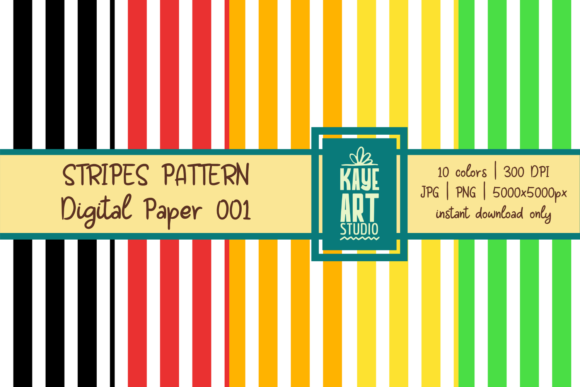
A Rainbow Stripes Digital Pattern is fundamentally a digital file—often a vector graphic (like an SVG or AI file) or a high-resolution raster image (like a PNG or JPG)—that contains a repeating design of rainbow-colored stripes. The pattern tile itself features stripes in the classic rainbow sequence: red, orange, yellow, green, blue, indigo, and violet, though variations are common. The stripes can be bold and thick, thin and delicate, arranged horizontally, vertically, diagonally, or even in concentric circles. Their digital nature means they are infinitely scalable, editable, and adaptable to countless projects without loss of quality.
The core purpose of these patterns is to provide a ready-made, high-quality visual texture that injects color, rhythm, and a sense of joy or movement into a design. They save creators the time of manually constructing perfectly aligned, color-balanced striped patterns from scratch. Whether used as a full background, a subtle accent, or a key graphical element, a Rainbow Stripes Digital Pattern carries inherent symbolic weight: it represents diversity, inclusivity, vibrancy, and optimism.
Key Characteristics and Design Value
The value of a well-crafted Rainbow Stripes Digital Pattern lies in its specific characteristics. Firstly, the color harmony is predefined and culturally resonant; the rainbow spectrum is naturally pleasing and universally recognized. Secondly, the repeatability is seamless. A professional pattern tile will be engineered so that when it is duplicated across a large area, no awkward breaks or misalignments appear in the stripes. This technical precision is crucial for large-scale applications like website backgrounds or fabric prints.
Furthermore, these patterns are highly adaptable. Designers can adjust the opacity, overlay them on other elements, change the saturation, or even isolate individual stripe colors for use in a palette. Their digital format means they are compatible with standard design software such as Adobe Photoshop, Illustrator, Canva, and Affinity Designer. This interoperability makes them a practical asset for professionals and hobbyists alike.
Where Can You Use Rainbow Stripes Digital Patterns?
The applications are remarkably broad, crossing over from purely digital spaces into physical products. Their versatility is a primary strength.
- Web and UI Design: They can serve as full-page backgrounds for websites promoting creative services, events, or children's products. Subtle, thinner stripe patterns might be used as borders, section dividers, or to highlight interactive buttons, adding a lively touch without overwhelming the interface.
- Social Media and Marketing: Creating cohesive branding for a campaign centered on joy, diversity, or celebration. Rainbow Stripes Digital Patterns become key visuals in social media post templates, email newsletter headers, digital ad banners, and presentation slides.
- Product Design and Merchandise: When applied to physical products via print-on-demand services, these patterns can decorate phone cases, laptop sleeves, t-shirts, tote bags, and wall art. The pattern's repeat ensures the design flows perfectly across the item's surface.
- Creative Projects and Personal Art: Individuals use them in digital scrapbooking, custom greeting card creation, blog graphics, or as textures in digital paintings and illustrations. They provide a foundation of color that other creative elements can build upon.
Who Benefits from Using These Patterns?
The audience for Rainbow Stripes Digital Patterns is as diverse as the colors they contain.
- Graphic Designers and Digital Artists: Professionals seeking to expedite their workflow with quality base assets. They can incorporate these patterns into client work for brands wanting a vibrant, modern aesthetic.
- Small Business Owners and Entrepreneurs: Especially those in creative industries, retail, or services targeting families and youth. Using these patterns can help create a distinctive, upbeat brand identity quickly without a huge design budget.
- Content Creators and Bloggers: Individuals looking to elevate their online presence with custom graphics for videos, websites, and social platforms. A Rainbow Stripes Digital Pattern can become a recognizable part of their visual signature.
- Educators and Event Planners: Designing materials for workshops, festivals, pride events, or children's activities where themes of color and celebration are central.
- General Consumers and Crafters: Anyone undertaking a DIY digital project for personal enjoyment, like customizing a birthday invite or designing a party backdrop.
Evaluating Practical Strengths and Considerations
Like any design resource, Rainbow Stripes Digital Patterns come with both powerful advantages and points to consider for optimal use.
Notable Strengths
A primary strength is instant visual impact. The pattern immediately communicates energy and positivity. Secondly, they offer significant time efficiency. Creating a mathematically perfect, seamless striped pattern requires precision; a pre-made digital pattern eliminates that technical hurdle. Additionally, their scalability is a major technical benefit. A vector-based Rainbow Stripes Digital Pattern can be resized from a tiny icon to a billboard-sized print with no pixelation or quality loss.
They also promote branding consistency. Once a pattern is selected, it can be applied across all brand touchpoints, creating a cohesive and memorable look. Lastly, they are generally easy to use. Even with basic design software, users can import the file and apply it as a fill or layer.
Important Considerations and Limitations
While versatile, Rainbow Stripes Digital Patterns are not a universal solution. Their vibrant nature means they can dominate a composition. If not balanced with ample negative space or subdued elements, they might make text hard to read or overshadow other important content. It’s crucial to test readability when using them as backgrounds.
The pattern’s specific emotional tone—playful, lively, celebratory—might not align with more serious, minimalist, or somber brand identities. Choosing a pattern with thinner stripes or a muted color variant might mitigate this, but the core rainbow symbolism remains. Also, the quality of the pattern file itself varies. A low-resolution or poorly constructed pattern will show visible seams when repeated, which degrades the professional finish of your project. Always source patterns from reputable designers or platforms.
Finally, consider cultural and contextual appropriateness. The rainbow motif carries strong associations with LGBTQ+ pride and solidarity. While this is often a positive and inclusive message, it's important to use the pattern with respect and awareness of its broader meanings.
Guidance for Selecting the Right Pattern for Your Project
How do you decide if a Rainbow Stripes Digital Pattern is suitable, and which one to choose? Start by defining the core message and emotion of your project. Is it about joy, creativity, diversity, or celebration? If yes, the pattern is conceptually aligned. Next, evaluate the technical requirements. Will the final output be digital (web, social) or physical (printed merchandise)? For print, ensure the pattern file is high-resolution (300 DPI or more). For web, ensure it’s optimized to not slow down page loading.
Examine the pattern’s design details: stripe thickness, orientation, and color saturation. Thicker, high-contrast stripes are bold and attention-grabbing; thinner, pastel stripes are more subtle and elegant. Test the pattern in your layout mock-up. Place text over it and check legibility. See how it interacts with your other graphics. Does it complement or compete?
Consider creating a variation rather than using the pattern raw. Perhaps use it only in a specific header section, or apply a color overlay to make it harmonize with your existing brand palette. The digital format allows for these adjustments. Remember, the goal is to enhance your communication, not let the asset overpower it.
Real-World Application Scenarios
Imagine a local community arts festival website. A vibrant, horizontal Rainbow Stripes Digital Pattern is used as the background for the hero banner, immediately setting a festive tone. The same pattern, in a more muted opacity, appears as a border on the schedule page, creating visual continuity.
For an online store selling creative stationery, a delicate diagonal rainbow stripe pattern is applied as a textured background on product images for notebooks and stickers, making the products pop on the webpage and suggesting their colorful potential.
A diversity and inclusion workshop for a corporate client uses a subdued version of the pattern in its digital presentation slides and printed handouts. It visually reinforces the theme of the event in a professional, respectful manner.
In each case, the Rainbow Stripes Digital Pattern is not just decoration; it’s an integral part of the message and user experience.
Conclusion: A Tool for Colorful Communication
Rainbow Stripes Digital Patterns represent a fusion of symbolic color and practical design utility. They are more than just pretty graphics; they are efficient, adaptable assets that can accelerate creative workflows and strengthen visual narratives centered on positivity and vibrancy. By understanding their characteristics, appropriate applications, and practical considerations, designers, business owners, and creators can leverage these patterns to add a structured burst of color to their digital and physical worlds. Whether you seek to brand an event, design a product, or simply beautify a personal project, these patterns offer a ready-made path to achieving a dynamic and engaging look, provided they are chosen and applied with thoughtful intention.