Making Everyday Design Playful with Llama and Cactus Seamless Patterns
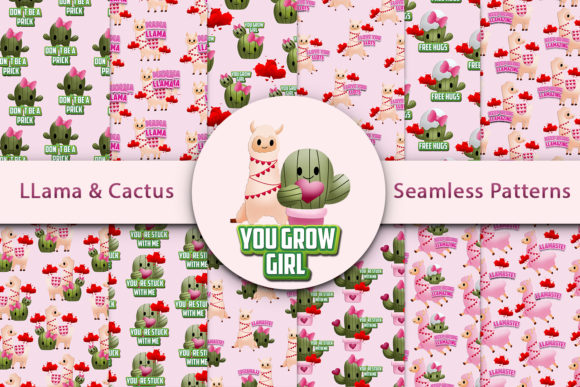
You know that moment when a visual clicks and suddenly a project feels lighter, friendlier, and full of personality? That’s often what happens when a llama and cactus seamless pattern enters the picture. These aren’t just cute motifs thrown together. They’re repeatable textures that can carry a desert-meets-whimsy vibe across fabric, digital backgrounds, packaging, and wall art. What makes them especially useful right now is how naturally they merge two things people genuinely enjoy: the gentle, slightly comical presence of llamas and the resilient, sculptural beauty of cactus plants.
Where These Patterns Fit Into Daily Creative Work
The seamless quality means the design tiles in every direction without visible breaks. When you look at a bolt of fabric covered in sleepy-eyed llamas lounging among prickly pear blooms, the repetition feels intentional and calming. A small business owner using the pattern on product labels doesn’t need to worry about awkward cut-off edges. Crafters printing their own scrapbook paper can expand a single 12×12 sheet into a never-ending background. This practical repeatability is what transforms a single illustration into a full-surface experience.
A stationery designer shared recently how they used a muted sage green llama and cactus pattern for a wedding invitation suite. The couple wanted something decidedly non-floral, and the desert theme fit their Joshua Tree venue. The repeat pattern allowed the designer to stretch the same look across envelope liners, belly bands, and thank-you cards without requiring separate illustrations for each piece. That kind of cross-application is where seamless patterns really earn their keep.
Who Actually Uses These Patterns – And Why
It’s tempting to think llama and cactus motifs belong exclusively to children’s products. While they certainly have a strong presence in nursery bedding and toddler apparel, the audience is much wider. Interior decorators working on airbnb rentals in the Southwest apply these patterns to throw pillows and shower curtains to echo the landscape without feeling too literal. Boutique clothing brands use them sparingly – sometimes just inside a collar or as a pocket lining – to add an element of surprise to a women’s blouse or a relaxed pair of linen pants.
Digital product sellers on platforms like Etsy or Creative Market often bundle llama and cactus seamless patterns into scrapbooking collections, planner sticker sets, or downloadable wallpaper packs. One seller in Colorado builds entire seasonal collections around a cactus llama character, varying the palette from dusty terracotta in autumn to soft ice blue in winter. Their customers aren’t only crafters. Many are small café owners printing custom cup sleeves or bakeries updating their cookie box liners.
There’s also a growing niche of therapists, coaches, and wellness practitioners using these patterns in visual aids, workbook covers, or mindfulness journals. The llama, with its steady, calm expression, pairs unexpectedly well with the quiet resilience of a cactus. Together they can visually communicate warmth and durability without feeling overly sentimental.
Textiles and Fashion
Garment districts are no stranger to novelty prints, but llama and cactus seamless patterns carry a specific advantage: they can read as both trendy and gender-neutral. A children’s line can offer the same pajama set to any child, while an adult loungewear brand may lean on the pattern to create matching family looks. The repeat structure means less fabric waste during cutting, which small-scale manufacturers appreciate when margins are tight.
Home Décor and Surface Design
Think removable wallpaper for a home office accent wall, a set of ceramic coasters, or even a table runner for casual dinner parties. The seamless nature allows patterns to flow across large surfaces uninterrupted. A couple renovating a mid-century ranch house used a retro-colored llama and cactus pattern on the ceiling of a small powder room. Visitors often pause, smile, and ask where they found it.
Stationery and Paper Goods
From journal covers to thank-you notes, paper products rely heavily on texture and repeat. A llama and cactus seamless pattern can become the foundation for an entire product line. A graphic designer in Austin uses the pattern inside transparent envelopes so that the lining peeks through without overpowering the simple handwritten card inside. She swaps palette tones depending on the season, keeping the same basic repeat structure.
Pet Products and Accessories
It might sound niche, but pet bandanas, dog beds, and even catnip kick toys have adopted these patterns to much success. The playful llama silhouette seems to resonate with pet owners who want something cheerful but not overly babyish. A small business making hand-tied dog bow ties reported that their llama cactus pattern sold out three times faster than other designs in their spring collection.
How Different User Types Bring Their Own Spin
A graphic designer downloading a pattern file from a stock site will likely open it in Adobe Illustrator, tweak the scale, and recolor it to match brand guidelines. They might nest the llama motifs in a more geometric background for a tech company’s internal event swag. Meanwhile, a hobby sewer purchasing pre-printed fabric at a local shop will simply cut and stitch, letting the pattern do the work. Each person interacts with the same seamless repetition but pushes it in completely different directions based on skill level and final purpose.
Teachers and parent volunteers often use these patterns to create classroom décor like cubby labels, bulletin board borders, or reading corner cushions. Because the pattern tiles naturally, they can print as much or as little as they need without worrying about alignment. A second-grade teacher in New Mexico built an entire “cozy corner” around a llama and cactus theme, incorporating repurposed pallets painted to match the pattern’s accent colors. The repeat flow made the space feel intentional, not chaotic.
Large retailers might license an exclusive variation of a llama and cactus seamless pattern for a seasonal collection, while independent artisans might hand-paint the same concept onto ceramic mugs, accepting slight imperfections as part of the charm. The core visual language stays intact, but the expression shifts.
Real-World Observations and Practical Moments
One thing that consistently surfaces in conversations with makers is how these patterns help bridge the gap between “sophisticated” and “fun.” A minimalist brand can still feel approachable when it incorporates a subtle, tonal llama and cactus repeat on its tissue paper wrap. A high-end chocolatier used a gold-foiled version on a limited-edition bonbon box for Mother’s Day, and the feedback was overwhelmingly positive. People loved the unexpected pairing of luxury confection with a slightly whimsical desert scene.
Yet it’s also worth noting that what works for a wedding invitation might feel too casual for a law firm’s branded documents. Context matters deeply. A seamless pattern’s colors, scale, and density determine whether the overall impression reads as “playful accent” or “full-on theme park.” Testing a small sample – perhaps a digital mock-up or a swatch – before committing to an entire run of packaging makes a substantial difference.
Common Considerations When Choosing or Creating a Llama and Cactus Pattern
- Color palette flexibility: A pattern locked into only neon brights will limit its use to very specific projects. Look for or create versions that include neutral backgrounds, or vector files that allow full recoloring.
- Scale and density: A tightly packed repeat with tiny llamas might look busy on a king-size duvet but perfect on a pocket square. Adjusting scale before printing can rescue a design that initially feels overwhelming.
- Licensing terms: If you’re a business, confirm whether the pattern includes commercial use rights, especially for physical products sold in volume. Some marketplaces restrict the number of end products you can produce.
- Trend longevity: Llama mania has had a strong run, and cacti are perennial favorites, but the combination could feel tied to a specific moment. Using the pattern on easily updatable items – cushions, gift wrap, digital backgrounds – rather than permanent fixtures can be a smart hedge.
Strengths You Can Rely On and Limits to Keep in Mind
These patterns shine brightest when they’re allowed to bring a sense of lightheartedness without overwhelming the object they decorate. They tend to evoke a connection to the Southwest, to travel, and to a slower pace, which can be a powerful emotional trigger in marketing. A coffee shop with a cozy, wanderlust feel might use the pattern on its loyalty cards to quietly reinforce that brand personality.
At the same time, a llama and cactus seamless pattern is not a blank canvas. Its inherent theme means it will almost always communicate nostalgia, humor, or regional flavor in some measure. For a brand that wants to project cutting-edge minimalism, another type of repeat might serve better. There’s also the risk of overuse in certain markets – if every children’s brand in a neighborhood adopts a similar look, differentiation fades.
One experienced surface pattern designer mentioned that she encourages clients to use llame and cactus motifs in unexpected color combos – think deep navy and copper, or soft lavender and charcoal – to keep the feel fresh. The shift in palette alone can make a pattern feel entirely new, even if the underlying repeat structure is identical to something widely seen.
Embedding the Pattern into Longer-Term Projects
Beyond one-off products, some entrepreneurs build whole branding systems around these seamless patterns. A boutique plant shop in Portland uses the same llama and cactus repeat on their delivery van wrap, tissue paper, and plant care instruction cards. The pattern becomes a quiet signature. When customers share photos of their purchases online, the repeated motif reinforces brand recall without needing a logo to be front and center.
Bloggers and course creators also take advantage. A wellness coach might use the pattern as a consistent background for Pinterest pins and Instagram quote tiles, tying her content together visually. Because the pattern is seamless, she can resize it for any social platform without ever losing quality or worrying about awkward framing.
Whether you’re printing, sewing, laminating, or uploading, the seamless structure is what makes all this reuse possible. That’s why understanding the technical side – even just knowing to request the original vector or high-resolution tiff – can save hours of frustration later. A blurry or slightly misaligned repeat can wreck the immersive effect that makes these patterns so appealing in the first place.
Ultimately, a llama and cactus seamless pattern works because it’s relatable, flexible, and far more versatile than its quirky appearance might suggest. By matching the pattern to the right scale, colorway, and application, you pull off something that feels intentional and fresh, whether you’re wrapping a gift, designing a product line, or simply refreshing the look of a room you spend time in every day.