How Creatives and Small Business Owners Use Magic Fairy Seamless Patterns
You might have stumbled across the term Magic Fairy Seamless Patterns while searching for a fresh way to finish a project that just wasn’t coming together. It sounds whimsical, but for many designers and makers it has become a quiet workhorse. These aren’t just clip art collections from the early 2000s. A seamless pattern means you can tile a design endlessly without visible breaks, and the “magic fairy” part speaks to a specific aesthetic: soft, enchanted, botanical, often with subtle sparkle and storybook charm.
What surprises most people is how far a single set of patterns can stretch. A wedding invitation designer in Portland might use them completely differently than a candle maker in Austin or a teacher building classroom printables. There’s a practical flexibility here that goes well beyond “cute backgrounds.”
What Magic Fairy Seamless Patterns Actually Offer
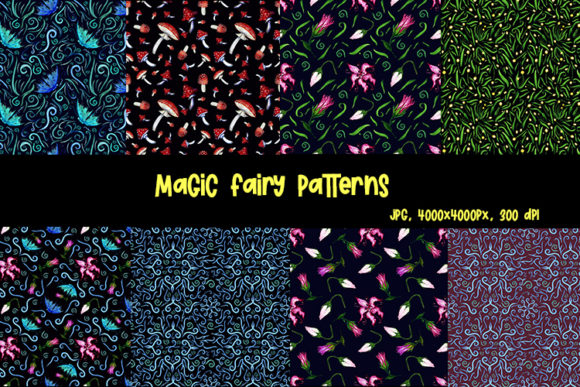
Strip away the poetic name and you’re left with a digital product that solves a very specific problem: repeating visual texture without awkward seams. The files usually come in standard formats like JPG, PNG, or vector formats, which means they drop into almost any design software without extra steps. The “fairy” element brings soft watercolor leaves, delicate stars, muted woodland florals, dusted moons, and very light whimsical linework. It’s a color palette that leans into lavender, sage, dusty rose, cream, and twilight blue.
Because they are seamless, you’re not stuck with a static rectangle. You can scale the pattern up for a large canvas tote or shrink it down for a business card and the repeat stays invisible. That single feature alone changes how people use them.
Where These Patterns Show Up in Everyday Projects
When you look at how buyers and browsers actually apply Magic Fairy Seamless Patterns, the list is refreshingly grounded. It’s rarely about high-concept art. More often it’s someone with a small shop trying to refresh their packaging, a parent making a birthday banner at two in the morning, or a blogger tired of the same stock photo backgrounds.
Consider a small soap and candle business. The owner might wrap a lavender soap bar in a belly band printed with a soft floral fairy pattern. The same design then moves to the product listing photos on Etsy, the thank-you card tucked inside the shipment, and the Instagram story template announcing a seasonal restock. The visual consistency isn’t accidental. Seamless patterns make it cheap and fast to build a cohesive unboxing experience without hiring an illustrator for each asset.
In stationery, the applications multiply. Wedding suites use a delicate moon-and-vine pattern on the envelope liner, the back of a save-the-date card, and the RSVP card. Because the pattern repeats cleanly, a printer doesn’t struggle with awkward white edges or mismatched tiles. Digital planners sold on platforms like Etsy also lean heavily on this style. A subtle fairy pattern on a habit tracker or a budget spreadsheet turns a dry functional sheet into something people actually want to look at during the day.
Physical Products and Textiles
Seamless designs really prove their worth on fabric. Through print-on-demand services like Spoonflower or Printful, someone can upload a Magic Fairy Seamless Pattern and order it on cotton, linen, or knit. Suddenly you’ve got pyjama pants, a baby swaddle, a reading pillow, or a table runner covered in an enchanted woodland design that doesn’t look chopped off at the seams. A small quilting group might buy a fat quarter bundle to mix into patchwork memory quilts. The design works because it’s continuous.
On hard goods, the use cases get even more interesting. Phone case sellers, ceramic mug decorators, and wood laser engraving shops all need high-resolution patterns that can wrap around a curved surface or fill an odd shape. Magic fairy themes tend to do well in the gift market, especially around Mother’s Day, bridal showers, and holiday season. A laser-engraved wooden keepsake box lined with a softly patterned fairy interior appeals to someone looking for a gift that feels hand-touched even when it’s machine-produced.
Digital Content Creators and Educators
One of the less obvious groups that regularly downloads these patterns involves online teachers, course creators, and content marketers. A presentation slide deck for a mindfulness workshop feels more inviting with a background that isn’t stark white or corporate blue. A faint fairy botanical pattern can warm up a slide without distracting from the text. The key is subtlety: a low-opacity overlay behind a quote, or a narrow border column on a worksheet.
Bloggers in niches like slow living, parenting, gardening, and fantasy literature frequently need header images and Pinterest pins that convey a certain mood. Using a Magic Fairy Seamless Pattern as a background layer, then placing a crisp product photo or a bold title on top, creates a pin that stops a scroll. The pattern signals the aesthetic before anyone reads a word. Over time, readers subconsciously associate that visual texture with the writer’s voice.
YouTube thumbnail designers also seek these out for book review channels, journaling channels, or cozy gaming streams. A seamless pattern works well as a thumbnail background because it doesn’t have an obvious edge, so when the image gets cropped or resized across devices, nothing looks broken.
Classroom Printables and Learning Materials
Teachers and homeschooling parents are often working with tiny budgets and need materials that feel playful but not babyish. A phonics worksheet with a very faint fairy garden border appeals to a second grader without making the page look cluttered. Task cards for a nature study unit can use a different pattern variation for each category. Because the patterns are seamless, printing at letter size or scaling slightly for A4 doesn’t cause awkward clipping. A parent might print calendar numbers for a morning basket routine, and each date card gets a subtle fairy dust treatment that makes the daily ritual feel special without requiring artistic skill.
Why Different Users Get Different Value
The small business owner values time above all else. A cohesive pattern set removes the need to match colors and motifs across different platforms. The crafter values the emotional response the pattern triggers in a buyer at a market stall. The blogger values the mood-building consistency that keeps a visitor on the site longer. The teacher values the gentle visual structure that doesn’t overstimulate a child who’s already struggling to focus.
There’s also a quiet confidence boost that comes with using well-made assets. Someone who doesn’t call themselves an artist can still produce packaging, invitations, or social graphics that look intentional rather than cobbled together. The patterns handle the heavy lifting of color harmony and motif repetition.
Things to Check Before You Download or Apply
Licensing isn’t glamorous, but it determines whether a pattern can truly follow you into all these uses. Some sets labeled Magic Fairy Seamless Patterns come with a standard personal use license only. That might cover your daughter’s birthday banner but not the candle labels you sell at a farmer’s market. If you plan to use the pattern on products for sale, look for language that explicitly permits commercial use, and check whether extended quantities require an additional license.
Resolution matters deeply. A pattern that looks crisp on a phone screen might pixelate badly on a 24-inch canvas print. Always check the pixel dimensions and DPI before buying. For fabric printing and large-format projects, 300 DPI at the intended print size is a reliable benchmark. Vector formats offer the most flexibility if you need to recolor elements or resize without quality loss.
File format availability also shapes what you can actually do. A JPG-only pack limits background transparency options. PNG with transparent background gives more freedom to layer the pattern over colored or textured surfaces. Some designers include both light and dark background versions of the same pattern, which saves time when you’re building a brand that uses both light-mode website sections and dark packaging materials.
Color Matching in the Real World
Digital colors on a screen often print darker or shift slightly on fabric. What looks like a soft sage on your monitor might print more olive. If you’re ordering batch products, request a sample first. One batch of tote bags printed slightly off can eat into a small profit margin. Some pattern shops provide CMYK color profiles for print designers, which reduces the guesswork. If that information isn’t available, a quick test print at a local shop can save a bigger headache later.
Stretching One Pattern Set Across Multiple Projects
Creators who get the most mileage out of these assets rarely use them at full opacity, full scale, and full saturation in every single place. They tweak. The same fairy leaf pattern becomes a bold statement on a laptop sleeve at 100% scale, a subtle texture on a meditation journal cover at 30% opacity, and a thin decorative strip on a website divider. Learning to adjust scale and transparency in Canva, Photoshop, or Affinity products effectively triples the usefulness of a single download.
Some small shops use seasonal variations cleverly. A fairy pattern in pastel tones works for spring product drops, while a slightly desaturated version with tiny gold stars carries into winter holiday packaging. The motifs stay recognizable, building a quiet brand thread that customers notice over time, even if they can’t quite name why the packaging feels familiar.
Where Magic Fairy Seamless Patterns Fit into a Larger Workflow
Nobody builds a brand or a creative practice on patterns alone. They’re a supporting element. When they work well, they fade into the background and let the product, the message, or the photograph take the spotlight. A product photographer might keep a folder of these patterns to use as textured backdrops for flat-lay shots. A web designer might use a tiling fairy pattern as a subtle navigation bar background that gives a handmade, personal feel to an otherwise minimalist site.
The people who get frustrated are usually the ones who expect a single pattern to do all the work. Lay it behind small text and readability suffers. Use an overly bright variant on a screen-heavy presentation and it competes with the data. The skill isn’t in owning the pattern; it’s in knowing when to dial it back.
Over time, many users build a small library of go-to seamless patterns that match their usual projects. A fairy-themed set often sits alongside rustic kraft paper textures, simple geometric repeats, and seasonal plaids. It fills a niche for softness and storybook warmth that harder-edged patterns can’t cover. When a last-minute project needs a gentle, inviting feel, that folder gets opened first.