Carnival Patterns: Understanding Their Role in Design, Culture, and Creative Expression
Every culture on earth has celebrations, but few visual languages capture the spirit of festivity quite like Carnival Patterns. These energetic arrangements of color, shape, and rhythm appear across textiles, digital art, interior decor, fashion, and branding, carrying a sense of joy that resonates deeply with human emotion. When you encounter a well-executed carnival-inspired design, something instinctive happens. Your eye quickens. Your mood lifts. There is a reason these patterns have endured for centuries and continue finding relevance in contemporary creative work.
This article explores Carnival Patterns from multiple angles: their origins, their defining visual characteristics, how they are being used today, what makes them effective, and where they might fall short. Whether you are a designer looking to expand your visual vocabulary, a business owner considering vibrant branding, or simply someone curious about the cultural DNA embedded in festive design, understanding these patterns offers practical insight into why certain visuals feel so alive.
What Exactly Are Carnival Patterns?
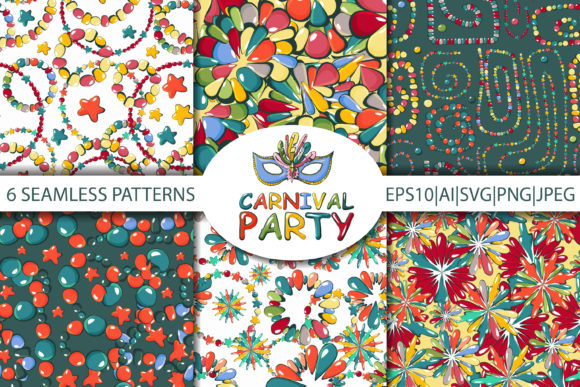
At their essence, Carnival Patterns refer to decorative motifs and repeating designs inspired by carnival celebrations around the world. Think of the swirling confetti-like shapes, feathered headdress geometry, masquerade mask silhouettes, diamond harlequin grids, and explosive floral arrangements that characterize festivities from Rio de Janeiro to Venice, from Trinidad to New Orleans. These are not random decorations. They follow specific rhythmic principles that mirror music, dance, and collective movement.
The term encompasses several overlapping visual families. There are the geometric precision patterns found in harlequin costumes, where alternating diamonds create optical vibration. There are the flowing, curved motifs drawn from samba parade floats and dancer costumes. There are the intricate filigree details borrowed from Venetian masquerade traditions. And there are the bold, graphic stripes and color blocks that echo Caribbean carnival flags and banners. What unites all Carnival Patterns is a deliberate sense of abundance, movement, and celebration compressed into repeatable form.
The Visual Language That Defines Carnival Patterns
Understanding why these patterns work requires examining their common characteristics. Unlike minimalist design philosophies that seek calm through reduction, Carnival Patterns achieve harmony through controlled abundance. This is harder to execute than it appears.
Color Relationships Built on Contrast
Carnival designs rarely rely on muted palettes. The most recognizable Carnival Patterns employ high-contrast color pairings: fuchsia against lime green, electric blue beside fiery orange, gold leaf over deep purple. These choices are not arbitrary. They reflect the lighting conditions of actual carnivals, which often take place under bright sun or dramatic nighttime illumination. A pattern designed for a carnival float must read clearly from thirty meters away. That functional requirement shaped the aesthetic we now associate with festivity.
Designers working with these palettes today often borrow a technique from traditional costume makers: anchoring bright colors with black outlines, white highlights, or metallic accents. This prevents the composition from becoming visually overwhelming and gives the eye structured paths to follow through the design.
Rhythm, Repetition, and Visual Tempo
Music is inseparable from carnival culture, and Carnival Patterns translate auditory rhythm into visual form. A repeating motif might accelerate in density toward the center of a design, mimicking a drum cadence building to its peak. Alternately, a pattern might establish a steady, predictable beat through evenly spaced elements that feel like a processional march. The best examples manage to suggest motion even when printed on a static surface.
This rhythmic quality makes these patterns particularly effective for textile design and surface decoration. A fabric printed with a well-composed carnival motif seems to dance as the wearer moves, amplifying the body's natural motion rather than passively sitting on it.
Layering and Depth as Storytelling Devices
Traditional carnival costumes are rarely flat. Feathers overlap sequins, which sit atop embroidered fabric, which is draped over structural forms. The resulting visual depth carries into two-dimensional Carnival Patterns through layered elements, drop shadows, overlapping transparencies, and varied scale relationships. A single pattern might combine large-scale floral silhouettes, mid-sized geometric frames, and fine background textures, all working together to create the illusion of a crowded, celebratory scene frozen in repeat.
Where Carnival Patterns Appear in Modern Applications
The reach of these designs extends far beyond festival grounds. Contemporary use cases reveal just how adaptable the carnival aesthetic has become.
Fashion and Accessory Design
Fashion houses regularly incorporate Carnival Patterns into seasonal collections, particularly for resort wear, swimwear, and statement pieces. The patterns translate beautifully onto silk scarves, where the fabric's natural movement already suggests flow. Sneaker collaborations frequently borrow harlequin diamond arrangements and carnival color blocking, tapping into the energy these patterns communicate. Independent accessory designers use scaled-down carnival motifs on enamel pins, embroidered patches, and printed phone cases, proving the aesthetic scales effectively across sizes and materials.
Interior Decor and Home Textiles
A room dressed in carnival-inspired wallpaper or upholstery makes an unmistakable statement. Interior designers often deploy Carnival Patterns strategically, using them on a single accent wall, a collection of throw pillows, or a statement armchair rather than saturating an entire space. The intensity that reads as joyous in small doses can become fatiguing when applied wall-to-wall, a practical consideration that separates effective use from aesthetic overreach.
Cruise lines, boutique hotels, and entertainment venues lean heavily on carnival motifs in their interior schemes, creating environments that signal leisure and escape from the moment guests walk through the door. The patterns do psychological work, cueing visitors that normal rules of restraint are temporarily suspended.
Branding and Packaging for Experience-Driven Products
Companies selling experiences rather than commodities have embraced Carnival Patterns as a visual shorthand for excitement. Music festival branding frequently incorporates carnival elements. Cocktail bars, dessert shops, and specialty food products use these patterns on packaging to convey indulgence and celebration. A hot sauce label featuring a carnival-inspired illustration promises flavor intensity before the bottle is even opened. A limited-edition chocolate box wrapped in harlequin diamonds suggests the contents are a treat rather than an everyday purchase.
The psychology here is straightforward but powerful: carnival imagery is associated with permission to enjoy oneself. Products that align with that emotional state benefit from the association.
Digital Design and User Interfaces
Perhaps surprisingly, carnival influences have found their way into digital product design, though typically in restrained forms. Loading animations that use confetti-like particle effects borrow carnival vocabulary. Gaming interfaces for casual and party games favor carnival color schemes and pattern elements. Even financial technology apps have experimented with celebratory carnival-inspired animations for milestone moments like reaching savings goals, recognizing that joy is an underused emotion in digital banking.
Who Benefits Most from Working with Carnival Patterns?
The appeal of Carnival Patterns is broad, but certain groups find them particularly aligned with their goals.
Event planners and entertainment professionals use carnival motifs to establish thematic cohesion across invitations, signage, stage design, and digital promotion. The visual language is flexible enough to adapt from elegant masquerade refinement to bold street festival energy.
Small business owners in creative industries often discover that carnival-inspired branding differentiates them in crowded markets. A bakery, boutique fitness studio, or independent bookstore can stand out against corporate competitors by adopting the warmth and personality these patterns project.
Surface pattern designers and illustrators find carnival themes commercially viable because they license well across product categories. A carnival-inspired pattern collection can sell to fabric manufacturers, stationery companies, gift wrap producers, and home decor brands simultaneously.
Cultural organizations and community groups use authentic carnival designs to honor traditions, promote events, and generate merchandise that carries genuine cultural meaning rather than shallow appropriation. This requires thoughtful engagement with the specific carnival traditions being referenced.
Practical Considerations When Using Carnival Patterns
Despite their appeal, working with Carnival Patterns requires practical judgment. Understanding the limitations and potential pitfalls helps ensure successful outcomes.
Cultural Sensitivity and Authentic Engagement
Carnival is not a single global tradition. It manifests differently across cultures, each with its own history, symbolism, and meaning. The carnival of Rio de Janeiro carries specific cultural significance tied to Brazilian identity, African diaspora heritage, and community organization. Venetian carnival connects to centuries of European masquerade tradition. Trinidad's carnival has its own distinct visual codes, musical relationships, and cultural context. Treating all carnival aesthetics as interchangeable ignores the rich specificity that gives each tradition its power.
Designers and brands working with carnival imagery benefit from researching the specific tradition inspiring their work. Engaging with cultural practitioners, crediting sources, and understanding symbolism moves the work from surface-level decoration toward respectful creative dialogue.
Context Appropriateness and Audience Expectations
Not every project calls for carnival energy. A law firm's website probably should not feature confetti patterns. A funeral home's branding would be poorly served by carnival color schemes. These are obvious examples, but subtler misalignments occur regularly. A wellness app promising calm and focus might undermine its own value proposition with overly stimulating carnival visuals. A luxury brand emphasizing understatement and exclusivity might find carnival patterns clash with its established identity.
The question to ask is whether the emotional state carnival patterns evoke supports or undermines the experience being designed. Joy, energy, abundance, and celebration are wonderful qualities, but they are not universally appropriate.
Production Challenges Across Different Media
The complexity that makes Carnival Patterns visually compelling also creates production challenges. Printing detailed carnival designs on fabric requires high-quality processes that capture fine lines and maintain color accuracy across yards of material. Digital displays must handle saturated colors without banding or clipping. Embroidery versions of carnival motifs often require simplification that preserves the spirit of the original while adapting to thread and stitch limitations.
Working with experienced production partners who understand these patterns' demands saves time, money, and creative frustration.
Evaluating Whether Carnival Patterns Fit Your Project
Making an informed decision about incorporating Carnival Patterns involves honestly assessing several factors.
Start with the emotional goal. What do you want people to feel when they encounter your design? If words like energized, celebratory, liberated, festive, or expressive describe the target emotional response, carnival patterns deserve serious consideration.
Consider longevity requirements. Carnival patterns tend to feel seasonal or event-specific. Using them for a product with a multi-year shelf life requires careful design choices that transcend a single season's trends. Timeless carnival designs exist, but they require restraint and craftsmanship beyond simple trend-following.
Examine audience demographics and expectations. Different audiences have different relationships with carnival imagery. Those who grew up participating in carnival traditions may have deeper, more personal responses to authentic designs. Audiences without that cultural connection may respond more to the universal energy the patterns communicate.
Assess technical constraints early. Before committing to a carnival pattern direction, verify that the chosen medium can reproduce the design faithfully. Sample testing reveals issues that mockups conceal.
Real-World Examples of Carnival Pattern Applications
Several notable projects illustrate the range of effective carnival pattern usage. A Caribbean rum brand redesigned its packaging using Trinidad carnival-inspired illustrations to convey authenticity and flavor intensity, resulting in a measurable sales increase driven by shelf appeal in competitive retail environments. The patterns communicated product personality before consumers read a single word of copy.
A European boutique hotel transformed a previously underperforming bar space by introducing carnival pattern wallcoverings inspired by Venetian masquerade. The design created an Instagram-friendly environment that guests photographed and shared, generating organic marketing reach the hotel had not budgeted for. Crucially, the patterns were confined to the bar area, allowing other hotel spaces to maintain their quieter character.
An independent fashion designer built a cult following around Carnival Patterns applied to everyday garments rather than special occasion pieces. By translating carnival motifs into subtle textures and scaled-down repeats, she created wearable items that carried festival energy into daily life without overwhelming the wearer or requiring a special event to justify wearing them.
Moving Forward with Carnival Patterns in Your Work
Understanding Carnival Patterns as more than decorative filler opens creative possibilities. These designs carry history, emotional weight, and practical design lessons that apply far beyond festival grounds. Studying how they balance abundance with structure teaches transferable skills for any visually dense design challenge. Observing how different cultures interpret carnival aesthetics provides insight into the relationship between celebration, identity, and visual expression.
Whether you incorporate carnival patterns directly into a project or simply learn from their compositional strategies, the time spent understanding this visual tradition pays creative dividends. The patterns that emerged from human celebration centuries ago continue evolving, adapting, and finding new audiences. Their persistence confirms something fundamental: the human need for visual joy is not a passing trend. It is part of who we are.